
Industry Knowledge Hub
Garment Manufacturing Insights
Stay Updated with Apparel Sourcing, Textile Innovations & Export Trends
Blog
2026 Top Private Label Garment Manufacturers Guide
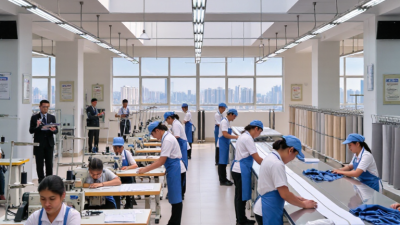
The 2026 Top Private Label Garment Manufacturers Guide responds to a changing apparel market. Buyers now expect reliable quality, flexible minimum order quantities, and traceable production. A suitable Private Label Garment Manufacturer must support design development, fabric sourcing, sampling, production control, and delivery planning.
The Business of Fashion and McKinsey’s State of Fashion 2025 describes fashion growth as modest, while cost pressure and uncertain consumer demand remain significant challenges. This environment makes supplier evaluation more practical than promotional. A factory may show attractive product photos, yet production capacity, audit records, sample consistency, and communication often reveal more. Small details matter. Check seam strength, shrinkage results, colorfastness, and label placement before approving bulk production.
Textile Exchange’s Materials Market Report 2024 reported that global fiber production reached approximately 124 million tonnes in 2023. It also projects production could approach 160 million tonnes by 2030. This increase highlights the need for better material choices and clearer sourcing evidence. Certifications can help, but they should not replace direct verification. Some supplier claims remain difficult to compare.
This guide examines manufacturers through practical criteria, including technical expertise, factory experience, quality systems, responsible sourcing, customization ability, and export reliability. It also considers weaknesses. No manufacturer fits every brand, market, or price position. A premium label may need hand-finishing and small runs, while a growing retailer may prioritize automation and repeatability. The strongest decision combines documented evidence with physical samples, realistic timelines, and careful communication. That process is slower, but it reduces expensive surprises.
Read more »
 By:Liam
- October 27, 2026
How to Find the Best Bulk Garment Production in China?
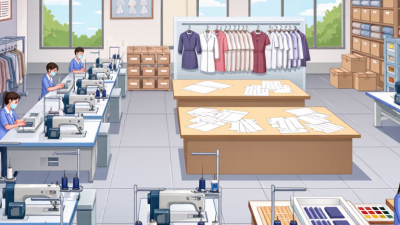
Finding the right partner for Bulk Garment Production in China requires more than comparing factory prices. It demands practical research, clear specifications, and careful communication. A reliable supplier should understand your tech pack, fabric requirements, size grading, packaging needs, and target delivery dates. Ask for recent production examples. Inspect stitching, seam strength, fabric shrinkage, and color consistency. Small details reveal large problems.
Dilys Williams, founder of the Centre for Sustainable Fashion, has said, “Fashion is a powerful force for change.” Her observation matters when selecting a Chinese garment manufacturer. Large orders affect workers, resources, quality, and delivery networks. A responsible factory should explain its quality controls, labor practices, material sourcing, and production capacity without avoiding difficult questions. Factory certifications can help, but they should not replace independent verification.
Start with a written supplier brief. Include quantities, acceptable defect levels, fabric composition, labeling rules, and inspection stages. Request a prototype before approving bulk production. Then review a pre-production sample under natural and indoor light. Check measurements with a tape measure. Test washing when appropriate. Confirm payment terms and responsibilities in a clear contract.
No supplier scorecard is perfect. I have seen attractive samples hide weak finishing. Low prices can also conceal costly delays. Build a backup plan. Keep communication documented. Choose a manufacturer that answers precisely, admits limitations, and improves after feedback. The best Bulk Garment Production partner is not always the cheapest factory. It is the one that can repeat quality consistently, communicate honestly, and meet responsible production expectations.
Read more »
 By:Emma
- October 22, 2026

China Top 10 Clothing Sample Prototyping Suppliers
China’s clothing industry combines extensive manufacturing capacity with fast access to fabrics, trims, and skilled pattern makers. For emerging labels, Clothing Sample Prototyping can turn a sketch into a testable garment before production begins. This stage reveals practical problems that digital drawings often miss. A sleeve may restrict movement. A neckline may sit unevenly. A fabric may feel too heavy after stitching.
This guide introduces China’s top 10 clothing sample prototyping suppliers and explains what makes each one worth considering. The selection focuses on sampling experience, pattern development, sewing quality, material sourcing, communication, and production readiness. It also considers whether suppliers can support tech packs, size grading, fit revisions, and small trial orders. Clear timelines matter. So does honest feedback.
Details make the difference.
Reliable suppliers should explain sampling fees, revision limits, lead times, and minimum order expectations before work begins. Buyers should also request recent examples, factory photographs, and material confirmations. Independent verification remains important, because online portfolios can look stronger than actual results. A supplier may produce an excellent sample but struggle with consistent bulk production. Another may offer impressive speed while giving limited design guidance.
This list is not a permanent verdict. Supplier capabilities can change with staffing, equipment, demand, and management. The most suitable partner depends on the garment category, target price, fabric complexity, and required production scale. Treat the rankings as a practical starting point, not a guarantee. Careful questions, physical sample reviews, and documented approvals will lead to better decisions.
Read more »
By:Emma
- October 17, 2026
2026 Top Garment Pattern Grading Types for Global Buyers
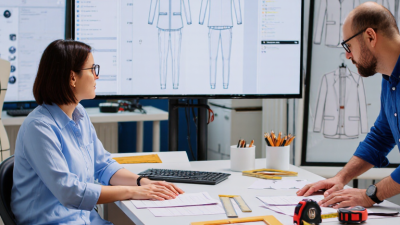
For global apparel buyers, choosing the right Garment Pattern Grading method can influence fit, production speed, and final cost. A pattern may look correct in one size, yet fail across a full size range. Small changes around the armhole, shoulder, waist, or rise can create visible fitting problems. Buyers need more than attractive samples. They need measurable grading logic, reliable communication, and production evidence.
This introduction explores the main garment pattern grading types used in international apparel development. It considers manual grading, CAD-based grading, rule-based grading, proportional grading, and specialized grading for plus-size or technical garments. Each method serves a different production situation. A basic T-shirt may require simple, consistent increments. A tailored jacket needs closer control of balance, ease, and sleeve movement. Complex styles need more testing.
Details matter. A two-centimeter bust increase cannot be applied blindly to every pattern area. Body shape, fabric stretch, construction, and target market all affect the result. Experienced technical teams compare graded patterns with measurement charts and fitting samples. They also review shrinkage and sewing tolerance before bulk production.
Not every chart is perfect.
That point deserves attention. International buyers may receive different advice from suppliers, software providers, or local technicians. Clear specifications reduce confusion, but they cannot replace physical fitting. A dependable grading process combines digital accuracy with practical garment experience. The following guide helps buyers compare grading types, assess supplier capability, and select a method that supports consistent fit across global production orders.
Read more »
By:Emma
- October 12, 2026
Top Apparel Export House for Global Buyers?
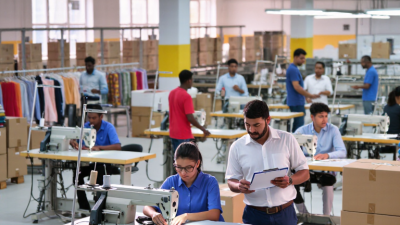
Choosing the right Apparel Export House is not simply a price comparison. Global buyers need dependable quality, documented compliance, and production visibility. The scale of this responsibility is significant. The International Labour Organization estimates that more than 60 million people work in the garment industry worldwide. Each purchase decision can affect factories, workers, communities, and brand reputation.
Material decisions also require sharper attention. Textile Exchange’s Materials Market Report 2024 states that global fiber production reached approximately 124 million tonnes in 2023. It projects production may rise to 160 million tonnes by 2030. This growth increases pressure on exporters to manage fabric sourcing, recycled content claims, waste, and traceability. A capable export house should provide test reports, approved samples, inspection records, and clear shipment schedules. Small details matter. Think of shade bands, carton labels, needle detection, and sealed packing lists.
The best partner is not always the largest supplier. It is the one that can repeatedly meet measurable standards across seasons. WTO trade data also shows how deeply clothing connects with global merchandise trade, making logistics planning and market knowledge essential. Buyers should examine certifications carefully and verify their scope, validity, and issuing bodies. A polished brochure is not proof. No supplier is flawless. However, reliable exporters acknowledge production risks early and offer practical corrective actions. This introduction examines what separates a credible Apparel Export House from a merely attractive sales presentation, using industry evidence, buyer expectations, and operational experience as reference points. Claims need evidence. Safety, consistency, and honest communication remain the real foundation of global apparel sourcing.
Read more »
By:Emma
- October 7, 2026
What Is Kidswear Manufacturing and How Does It Work?
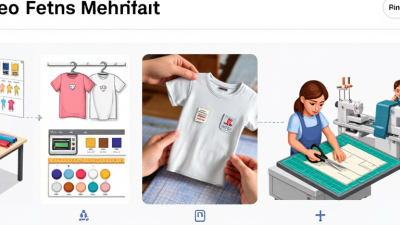
Kidswear Manufacturing turns a child’s clothing idea into a tested, wearable product. It combines design, fabric selection, pattern development, production, and quality control. The process must balance comfort, durability, appearance, cost, and age-appropriate safety. Small details matter. A soft neck label can prevent irritation, while a poorly finished seam may scratch delicate skin.
The work often begins with a technical design and a sample garment. Specialists check measurements, fabric weight, stretch, shrinkage, and color consistency. They may test a cotton T-shirt after repeated washing. Does the collar keep its shape? Does the print crack? Fit is unforgiving. Children move constantly, so sleeves, waistbands, and closures need practical flexibility. Factories then grade patterns across sizes, prepare production markers, cut fabric, sew panels, and inspect finished garments.
Reliable manufacturers document materials and production steps. They also follow applicable textile, labeling, chemical, and product-safety requirements in their target markets. Independent testing can help verify colorfastness, fiber content, flammability performance, and small-part safety when relevant. However, no checklist replaces careful judgment. A compliant item can still feel uncomfortable or wear poorly. The work is iterative. Samples may return for adjustment before bulk production begins. Understanding these decisions makes Kidswear Manufacturing easier to evaluate, whether you are a brand owner, buyer, designer, or parent seeking dependable children’s clothing. Clear communication and traceable records build confidence, but honest manufacturers should also acknowledge limitations, production variation, and areas requiring further improvement.
Read more »
 By:Sophia
- October 2, 2026

What Is Menswear Manufacturing?
Menswear Manufacturing is the coordinated process of turning a design into finished clothing for men. It can cover fabric selection, pattern development, cutting, sewing, finishing, inspection, and packing. A jacket, for example, may pass through separate teams for canvas shaping, sleeve setting, buttonhole stitching, and pressing. Small decisions matter. A few millimeters can change how a collar sits or a trouser leg falls.
Menswear designer Giorgio Armani is often credited with saying, “The difference between style and fashion is quality.” That idea applies on the factory floor: quality depends not only on cloth, but also on consistent patterns, skilled assembly, and careful checks. Manufacturers may produce tailored suits, shirts, knitwear, denim, or workwear, using either small-batch methods or larger production lines. Each product brings different demands. A soft shirt needs clean seams; a structured coat needs stable shaping and precise pressing.
The process is less tidy than a flowchart suggests. Fabric can behave differently after washing, and a sample that looks right on a hanger may pull across the shoulders when worn. Fit testing, size grading, and production planning help catch these problems before orders leave the factory. Still, no checklist can replace experienced hands. That deserves reflection. A reliable overview of Menswear Manufacturing should therefore consider both the technical workflow and the people who make each garment, while recognizing that cost, speed, and quality can sometimes pull in different directions.
Read more »
By:Emma
- September 27, 2026
Top Womenswear Manufacturers in China for Global Buyers
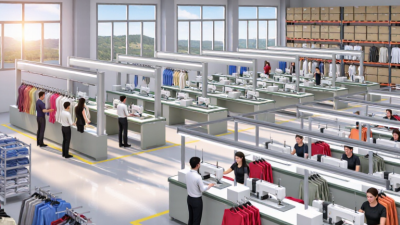
China remains a major sourcing destination for international fashion brands seeking reliable womenswear production. Its manufacturing clusters offer broad capabilities, from woven dresses in Zhejiang to knitwear in Guangdong. However, finding the right partner requires more than comparing prices. Womenswear Manufacturing depends on fabric control, pattern accuracy, sewing quality, production planning, and clear communication.
This guide introduces leading womenswear manufacturers in China for global buyers. It focuses on practical factors, including product specialization, minimum order quantities, sampling processes, factory capacity, and quality-control procedures. Details such as fabric handfeel, seam strength, color consistency, and packaging standards can strongly affect the final product. A supplier may show impressive samples, yet struggle with repeat orders. That difference matters.
No factory is perfect.
Reliable sourcing also requires independent verification. Buyers should review business credentials, request recent production examples, confirm testing capabilities, and clarify timelines in writing. Factory audits, pre-production samples, and inspection checkpoints can reduce avoidable risks. Certifications may support responsible production, but their scope and validity should be checked carefully. Public information can change, and supplier claims deserve thoughtful review.
The manufacturers discussed here are considered through a global buyer’s perspective, not through marketing promises alone. Their strengths, limitations, and suitable order types will be examined clearly. Some companies may suit emerging labels with flexible quantities. Others may better support established brands requiring larger runs and stable replenishment. Careful comparison remains essential, especially when quality expectations, budgets, and delivery schedules differ.
Read more »
By:Emma
- September 22, 2026
Top Blended Fabric Clothing Suppliers for Global Buyers
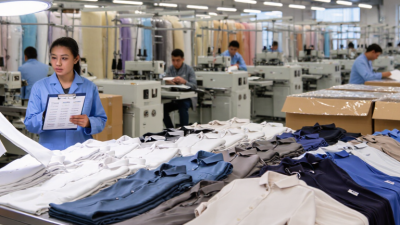
Global buyers are rethinking how they source Blended Fabric Clothing. Cotton-polyester shirts, viscose-spandex dresses, and recycled-fiber uniforms now compete on comfort, durability, cost, and environmental performance. The right supplier must manage all four.
Dr. Seshadri Ramkumar, a textile technology professor and industry researcher, often emphasizes, “Sustainability is not a destination, but a journey.” His view fits blended fabrics well. A blend may reduce wrinkling, improve stretch, or extend garment life. Yet recycling can become difficult when different fibers are combined. That detail is easy to overlook.
This guide introduces leading Blended Fabric Clothing suppliers for international buyers. It examines manufacturing experience, fabric composition, quality systems, production capacity, and communication practices. Buyers should request laboratory reports, colorfastness results, shrinkage data, and pre-production samples. A factory photograph is not enough.
Look closely at the sewing floor.
Reliable suppliers explain their minimum order quantities clearly. They also identify fiber percentages, finishing treatments, packaging methods, and delivery limitations. Certifications can support trust, but they do not replace independent verification. Buyers should still inspect records and test samples.
The best supplier may not be the cheapest. A low quote can hide uneven dyeing, weak seams, or inconsistent sizing. We will compare practical strengths and possible weaknesses, including those that are less convenient. Some information may change as factories expand or regulations develop. That uncertainty deserves attention, not polished promises.
Read more »
By:Emma
- September 17, 2026
How to Start Knitted Garment Manufacturing for Global Buyers?
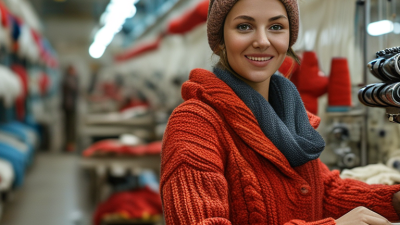
Starting a business in Knitted Garment Manufacturing can be an exciting venture. Many global buyers seek high-quality knitted products. The demand for knitted garments is rising, driven by fashion trends and consumer preferences. However, entering this industry is not without its challenges.
Understanding the market landscape is crucial. It's important to conduct comprehensive research on buyer requirements and competition. Invest in resources that enhance product quality and production efficiency. Quality control systems play a vital role in maintaining product standards. Moreover, establishing a reliable supply chain will help meet buyers' expectations.
Many aspiring manufacturers overlook the significance of skilled labor. Training employees is essential for maintaining craftsmanship and innovation. Additionally, keeping up with technological advancements can be daunting. Reflecting on these aspects will pave the way for a successful knitted garment business.
Read more »
By:Liam
- August 26, 2026

How to Source High Quality Ready-To-Wear Garments?
In today’s competitive fashion landscape, sourcing high-quality Ready-To-Wear Garments is critical for success. According to a recent McKinsey report, 90% of consumers prioritize quality over brand loyalty. This insight emphasizes the importance of craftsmanship and materials in the Ready-To-Wear market. Industry expert Dr. Ellen Hayes highlights that "the quality of garments directly influences brand reputation and customer retention."
Moreover, the Ready-To-Wear sector faces challenges in balancing cost and production standards. Some suppliers cut corners to reduce expenses, leading to concerns about fabric durability and overall design integrity. Sourcing decisions should therefore focus on suppliers with proven track records. The right partner will ensure that quality is not only maintained but celebrated in every piece.
An increasing number of brands are turning to sustainable options. This shift reflects consumer demand for ethical sourcing. Yet, not all 'sustainable' claims are credible, posing risks for brands in the Ready-To-Wear segment. Establishing an informed and reliable sourcing strategy is essential. It's crucial to foster relationships with trusted suppliers who align with quality expectations. This way, brands can thrive in an evolving environment where quality truly matters.
Read more »
By:Liam
- August 26, 2026
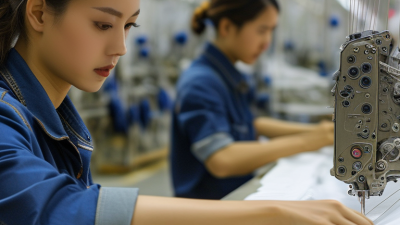
Top Woven Apparel Manufacturing in China for Global Buyers?
China is a key player in the global woven apparel manufacturing landscape. With diverse capabilities and cost-effective production, it attracts buyers worldwide. As noted by industry expert David Lin, “China’s woven apparel sector continues to evolve, adapting to global fashion trends.” This highlights the dynamic nature of this market.
Woven apparel manufacturing in China involves intricate processes and skilled labor. Factories are equipped with advanced technology to enhance quality. However, challenges exist. Some manufacturers struggle with sustainability and ethical practices. This raises questions about the future of the industry.
Moreover, competition among factories can lead to a focus on cost-cutting at the expense of quality. This is a reflection point for buyers seeking reliable partners. They must navigate a landscape filled with potential pitfalls. Overall, understanding the intricacies of woven apparel manufacturing in China is essential for global buyers.
Read more »
By:Liam
- August 26, 2026