
Industry Knowledge Hub

Garment Manufacturing Insights

Stay Updated with Apparel Sourcing, Textile Innovations & Export Trends

0%

Kidswear Manufacturing turns a child’s clothing idea into a tested, wearable product. It combines design, fabric selection, pattern development, production, and quality control. The process must balance comfort, durability, appearance, cost, and age-appropriate safety. Small details matter. A soft neck label can prevent irritation, while a poorly finished seam may scratch delicate skin.

The work often begins with a technical design and a sample garment. Specialists check measurements, fabric weight, stretch, shrinkage, and color consistency. They may test a cotton T-shirt after repeated washing. Does the collar keep its shape? Does the print crack? Fit is unforgiving. Children move constantly, so sleeves, waistbands, and closures need practical flexibility. Factories then grade patterns across sizes, prepare production markers, cut fabric, sew panels, and inspect finished garments.

Reliable manufacturers document materials and production steps. They also follow applicable textile, labeling, chemical, and product-safety requirements in their target markets. Independent testing can help verify colorfastness, fiber content, flammability performance, and small-part safety when relevant. However, no checklist replaces careful judgment. A compliant item can still feel uncomfortable or wear poorly. The work is iterative. Samples may return for adjustment before bulk production begins. Understanding these decisions makes Kidswear Manufacturing easier to evaluate, whether you are a brand owner, buyer, designer, or parent seeking dependable children’s clothing. Clear communication and traceable records build confidence, but honest manufacturers should also acknowledge limitations, production variation, and areas requiring further improvement.
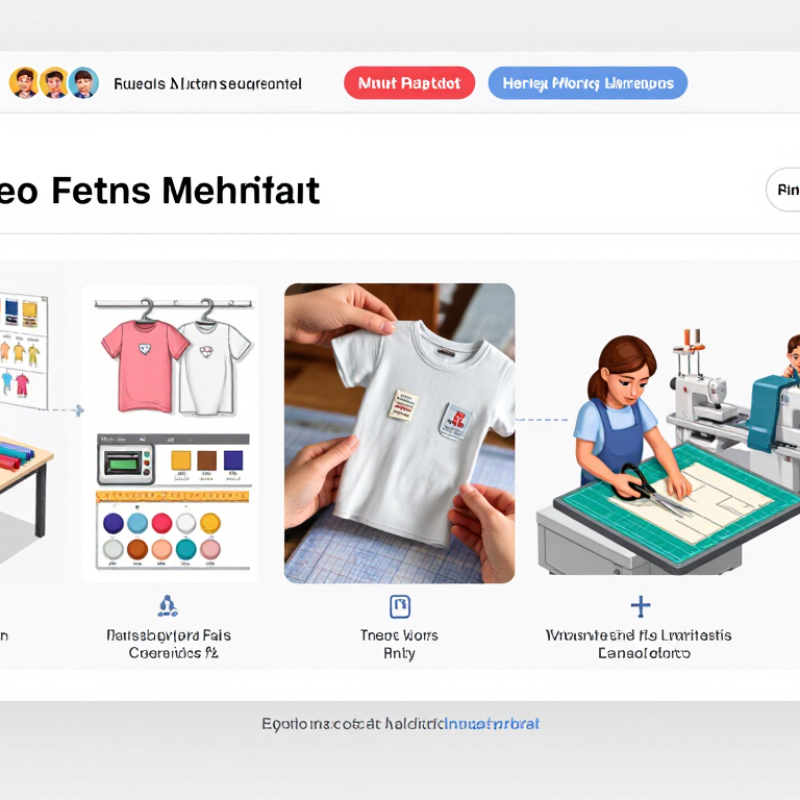
What Is Kidswear Manufacturing and How Does It Work?

What Kidswear Manufacturing Means and Why It Matters

What Is Kidswear Manufacturing and How Does It Work?

Kidswear manufacturing turns a child’s daily needs into measurable production decisions. Designers consider movement, sizing, softness, fastening, and washing. Technicians then create patterns, grade sizes, cut fabric, sew panels, inspect seams, and prepare garments for delivery. A loose button or rough label can become a serious safety concern. Production teams must test small parts, drawstrings, flammability, colorfastness, and fabric strength according to the destination market’s requirements.

Why does this matter? Children’s clothing touches skin, supports play, and survives frequent washing. Quality is not only about appearance. It depends on reliable materials, trained workers, documented inspections, and honest supplier records. Textile Exchange’s Materials Market Report 2024 estimated global fiber production at 132 million tonnes in 2023, showing the scale of material decisions behind every garment. However, fiber volume alone cannot prove responsible manufacturing. That conclusion would be too convenient.

Supply-chain oversight also protects people. The ILO and UNICEF’s Child Labour: Global Estimates 2020 reported 160 million children in child labour worldwide. Kidswear producers therefore need supplier screening, age-verification controls, and traceable production records. In practice, this may mean checking a sewing line, reviewing payroll evidence, and examining a carton of finished shirts. Audits help, but they can miss hidden subcontracting. Better systems combine audits, worker feedback, testing, and corrective action. Small details matter. A careful manufacturer keeps improving, because perfect compliance is claimed easily and demonstrated slowly.

What Is Kidswear Manufacturing and How Does It Work?

Kidswear manufacturing converts a clothing design into a finished garment through coordinated stages such as material sourcing, pattern development, sampling, bulk production, quality control, and packing. The chart shows a typical planning benchmark for production time, excluding international shipping.

How to read the chart: Product development and bulk sewing usually require the most time because they involve fit adjustments, material preparation, assembly, and inspection. Actual timelines vary according to order quantity, fabric availability, design complexity, and required safety testing.

How Children’s Clothing Is Designed for Comfort and Safety

What Is Kidswear Manufacturing and How Does It Work?

Children’s clothing starts with movement, not decoration. Designers study crawling, climbing, bending, and rapid growth. Soft seams reduce rubbing around the neck, waist, and elbows. Stretch panels help children move without tight pressure.

Safety decisions are more exact. Garments should avoid loose cords, sharp trims, detachable small parts, and easily ignited fabrics. The U.S. Consumer Product Safety Commission has linked children’s upper-wear drawstrings to strangulation and entanglement incidents. These findings influenced stricter drawstring guidance. Textile Exchange’s Materials Market Report 2024 states that polyester made up about 57% of global fiber production in 2023. This makes fiber selection important. Recycled fibers may reduce resource use, but they still need careful testing for softness, colorfastness, and chemical residues. Sustainability alone does not guarantee comfort.

Tips: Check seams by rubbing them against the inside of your wrist. Test snaps and buttons with firm, repeated pulls. Leave enough room for sitting and layering, but avoid oversized sleeves near playground equipment. Wash samples several times before production approval. Fabric can change. Sometimes, a comfortable sample becomes stiff after washing. That detail is easy to miss.

A final fit review should include real children, varied body shapes, and active movement. Perfect sizing is difficult, and manufacturers should keep reviewing feedback instead of trusting one fitting session.

How Fabrics and Components Are Selected for Kidswear

Kidswear manufacturing starts with a careful decision: which fabrics and components can survive real childhood? Children crawl, spill food, pull seams, and wash clothes often. Therefore, cotton jersey, recycled polyester, denim, and blends are judged by softness, strength, shrinkage, breathability, and colorfastness. The 2024 Textile Exchange Materials Market Report estimates global fiber production reached 124 million tonnes in 2023. It may reach 160 million tonnes by 2030. This growth makes material traceability more important, not optional. Yet recycled content alone does not guarantee comfort or durability.

Manufacturers also inspect zippers, snaps, elastic, labels, thread, and drawcords. Hard edges can scratch. Loose trims can create safety concerns. A practical development sample needs wash testing, seam-strength checks, pilling tests, and dimensional measurements. UNEP’s 2023 textile value-chain report supports life-cycle thinking, including material use, production, and end-of-life impacts.

In practice, suppliers still face trade-offs. A softer fabric may wear faster. A stronger component may feel heavier. No checklist is perfect. Wear trials with children can reveal problems laboratory tests miss.

Tips: Select fabrics after repeated washing, not from touch alone. Keep labels soft and securely stitched. Test elastic recovery after stretching. Review every component with comfort, durability, and repair in mind. Record test results clearly, even when they expose an inconvenient design mistake.

The Main Steps in Producing Children’s Garments

Kidswear manufacturing turns a design sketch into safe, comfortable clothing for children. The work starts with a technical pack. It lists measurements, fabric types, seam details, labels, and tolerance limits. Pattern makers then create the first size. Grading scales it across the size range. Textile Exchange’s Materials Market Report 2024 records 124 million tonnes of global fiber production in 2023. Polyester represented about 57 percent. Material selection therefore affects both comfort and environmental impact.

Before cutting, inspectors check fabric weight, shade, stretch, and surface defects. Workers relax knitted fabric before spreading it on long cutting tables. Computerized markers reduce unused areas, but they do not remove waste completely. Cut panels receive bundle numbers and move to sewing lines. Operators join shoulders, sleeves, waistbands, and pockets in a controlled sequence. Inline inspectors check measurements and seam quality during production. Small details matter. A rough neck seam can irritate sensitive skin.

Testing must reflect the child’s use of the garment. Checks may cover colorfastness, seam strength, flammability, cords, snaps, and small detachable parts. Requirements vary by market, so factories review applicable consumer-product rules before shipment. UNEP’s 2023 textile value-chain report estimates textiles contribute 2–8 percent of global greenhouse-gas emissions. Final audits inspect measurements, stitching, labels, folding, and carton quantities. Production rarely runs perfectly. Factories may recut panels or repair uneven seams. That correction prevents larger losses, although it also shows where the process still needs improvement.

How Kidswear Is Tested, Approved, and Delivered to Market

Kidswear manufacturing begins with a technical design, not only a cute sketch. Product teams select fabrics, trims, seams, and labels for a child’s movement and safety. Textile Exchange’s Materials Market Report 2024 estimated global fiber production at 124 million tonnes in 2023. That figure makes material selection more than a style decision.

Testing starts with fabric inspection, colorfastness checks, shrinkage tests, and seam-strength trials. Inspectors also examine buttons, snaps, cords, and small attachments. In the United States, children’s products generally require third-party testing and a Children’s Product Certificate. Lead content must stay within the 100 ppm limit, while restricted phthalates cannot exceed 0.1% in applicable materials. Flammability testing follows specific federal methods. Small details matter.

Approval depends on the selling market. A factory may submit lab reports, measurement samples, care labels, and production records before shipment. Quality teams then inspect random units from packed cartons. They check loose threads, uneven hems, stains, needle damage, and incorrect size labels. The process is controlled, but not perfect. A passed sample can still hide a production mistake. That is why independent inspections and traceable batch records remain valuable. Textile Exchange’s report also shows why recycled and lower-impact fibers need verification, not attractive claims alone. Delivery comes only after documents, samples, and physical goods agree.

What Is Kidswear Manufacturing and How Does It Work? — How Kidswear Is Tested, Approved, and Delivered to Market

Manufacturing Stage What Happens Key Data Dimensions and Requirements Typical Records or Test Evidence Release Decision
1. Product Definition The product concept is converted into a technical specification before materials are purchased. Age range and intended user
Garment measurements and size grading
Fabric composition and care instructions
Intended market and applicable regulations
Safety-critical design features
Technical pack
Measurement chart
Bill of materials
Risk assessment
Design approved for sampling
2. Material Selection Fabrics, trims, threads, prints, dyes, fasteners, labels, and packaging components are selected and qualified. Fiber content accuracy
Colorfastness to washing, rubbing, perspiration, and saliva where relevant
Dimensional stability after washing
Restricted substances in textiles and components
Small-part and sharp-edge risks
Supplier declarations
Material specifications
Laboratory reports
Approved component list
Materials cleared for prototype use
3. Prototype and Fit Sample A sample garment is cut, sewn, finished, and evaluated for fit, comfort, appearance, and construction. Critical measurements within the approved tolerance
Seam construction and stitch security
Fastener attachment
Accessible drawstrings, cords, loops, and decorative parts
Comfort against the skin and absence of hazardous protrusions
Fit comments
Measurement report
Construction checklist
Sample approval record
Pattern and construction finalized
4. Pilot Production A limited production run confirms that the approved design can be made consistently using production equipment and operators. First-piece approval
Sewing operation sequence
Defect rates by operation
Measurement consistency
Traceability of fabric rolls, trims, and production lots
Pilot-run report
In-process inspection records
Lot identification log
Corrective-action records
Production process authorized
5. Physical Safety Testing The finished garment is tested for hazards that may cause injury during normal use or reasonably foreseeable misuse. Flammability requirements applicable to the destination market
Strength and attachment of buttons, snaps, appliqués, and other components
Cord and drawstring construction
Sharp points, sharp edges, and entrapment risks
Durability after repeated care cycles
Accredited laboratory report
Component attachment test results
Flammability test report
Safety inspection checklist
Physical safety requirements met
6. Chemical and Material Compliance Materials and finished products are checked against chemical restrictions in the intended sales region. Lead limits for accessible components where required
Phthalate restrictions for applicable plasticized components
Azo colorant and other restricted substance controls
Formaldehyde and allergen-related requirements where applicable
Chemical compliance of prints, coatings, dyes, and finishes
Chemical test reports
Restricted-substance declaration
Supplier compliance documentation
Material traceability records
Chemical compliance documented
7. Labeling and Traceability Mandatory information is added so the garment can be identified, cared for, and traced after sale. Fiber-content label
Country-of-origin marking where required
Care instructions
Manufacturer or responsible-party identification where required
Product, batch, or lot reference for traceability
Permanent tracking information for applicable markets
Label artwork approval
Packaging specification
Traceability plan
Label verification checklist
Labeling approved for production
8. Final Inspection Finished garments are inspected before packing and shipment. Visual defects and workmanship
Measurement accuracy
Color and shade consistency
Cleanliness and pressing quality
Correct size, label, packaging, and accessories
Sampling level and acceptance criteria defined by the quality plan
Final inspection report
Defect classification
Packing list
Accepted or rejected lot record
Shipment released or held for correction
9. Market Approval The responsible party reviews the technical file and confirms that the product can be legally placed on the target market. Applicable market regulations identified
Required testing completed
Test samples representative of production
Certificates, declarations, or technical files completed where required
Correct labels and safety instructions confirmed
Technical file
Declaration or certification documents
Approved artwork
Compliance review sign-off
Product authorized for sale
10. Delivery and Post-Market Control Approved goods are packed, transported, received, and monitored after entering the market. Carton and shipment quantity accuracy
Storage conditions that protect fabric and trims
Delivery inspection
Consumer complaints and incident monitoring
Recall and corrective-action capability
Retention of compliance records
Shipping documents
Warehouse receipt
Complaint log
Corrective-action or recall procedure
Product monitored throughout its lifecycle

FAQS

What does kidswear manufacturing involve?

It turns children’s daily needs into production decisions. Designers plan movement, sizing, softness, fastenings, and washing. Technicians create patterns, grade sizes, cut fabric, sew panels, and inspect seams.

Why is safety important in children’s clothing?

A loose button, sharp trim, or rough label can hurt a child. Garments should avoid detachable small parts, unsafe cords, and easily ignited fabrics. Small details matter.

How can clothing support children’s movement?

Designers study crawling, climbing, bending, and sitting. Stretch panels allow movement without tight pressure. Room for layering helps, but oversized sleeves may catch on playground equipment.

How can manufacturers check fabric comfort?

Rub seams against the inside of your wrist. Check whether labels feel scratchy. Wash samples several times before approval, because fabric can become stiff later.

What should manufacturers test before production?

They should test small parts, drawstrings, flammability, colorfastness, and fabric strength. Snaps and buttons need firm, repeated pulls. One test is never enough.

How does sizing work for children?

Manufacturers create patterns and grade them across several sizes. Final reviews should include different body shapes and active movement. Perfect sizing is difficult.

Can sustainable materials guarantee comfortable clothing?

No. Recycled fibers may reduce resource use, but they still need softness, colorfastness, and residue testing. Sustainability sounds reassuring, but it cannot replace evidence.

How can manufacturers improve supply-chain responsibility?

They can screen suppliers, verify worker ages, and keep traceable production records. Audits help, but hidden subcontracting may remain unnoticed. Worker feedback and corrective action add useful protection.

What makes quality control reliable?

Reliable quality combines suitable materials, trained workers, documented inspections, and honest supplier records. A carton of finished shirts can reveal sewing or labeling problems. Perfect compliance is claimed easily, but demonstrated slowly.

Conclusion

Kidswear Manufacturing is the process of creating children’s clothing from the first design concept to final delivery. It focuses on producing garments that are comfortable, practical, durable, and safe for active children. Designers consider age, body movement, weather, ease of dressing, and potential safety risks when developing styles. Soft fabrics, reliable stitching, secure fasteners, and child-friendly components are carefully selected to support comfort and everyday use.

The production process usually includes design planning, pattern development, fabric preparation, cutting, sewing, finishing, and quality inspection. Each garment may be checked for sizing accuracy, seam strength, colorfastness, comfort, and the secure attachment of trims or accessories. After testing and approval, the finished clothing is packed, organized, and delivered to the market. Through careful coordination at every stage, Kidswear Manufacturing helps create dependable children’s garments that meet practical expectations while supporting children’s freedom to move, play, and grow.

Sophia

Sophia

Sophia is a seasoned marketing professional with a deep expertise in the company’s offerings. With years of experience in the industry, she possesses an exceptional understanding of market dynamics and consumer needs. Sophia is dedicated to consistently updating the company’s professional blog,......