
Industry Knowledge Hub

Garment Manufacturing Insights

Stay Updated with Apparel Sourcing, Textile Innovations & Export Trends

0%

Starting a business in Knitted Garment Manufacturing can be an exciting venture. Many global buyers seek high-quality knitted products. The demand for knitted garments is rising, driven by fashion trends and consumer preferences. However, entering this industry is not without its challenges.

Understanding the market landscape is crucial. It's important to conduct comprehensive research on buyer requirements and competition. Invest in resources that enhance product quality and production efficiency. Quality control systems play a vital role in maintaining product standards. Moreover, establishing a reliable supply chain will help meet buyers' expectations.

Many aspiring manufacturers overlook the significance of skilled labor. Training employees is essential for maintaining craftsmanship and innovation. Additionally, keeping up with technological advancements can be daunting. Reflecting on these aspects will pave the way for a successful knitted garment business.
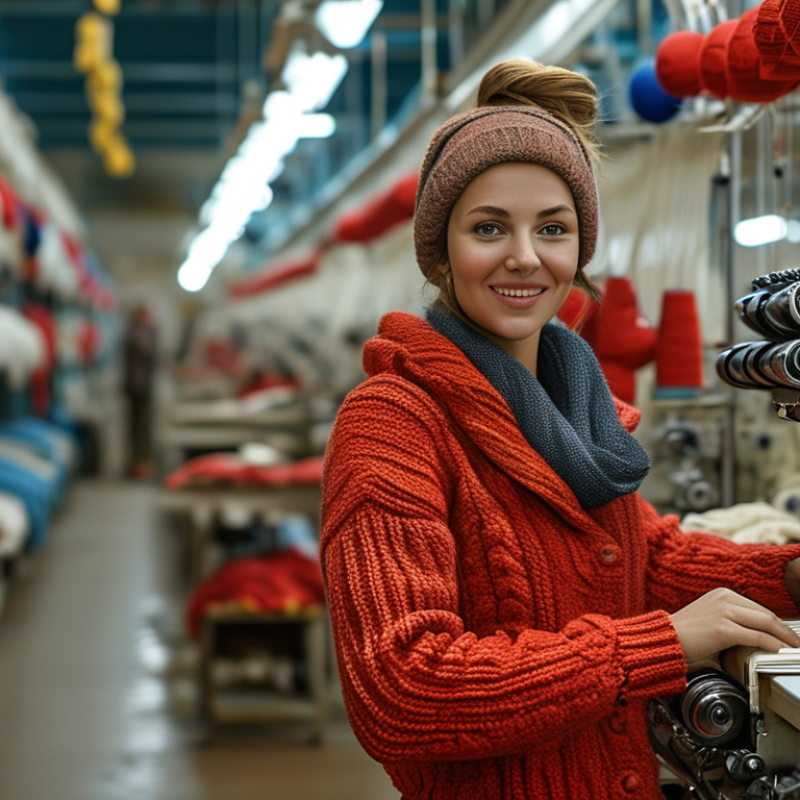
How to Start Knitted Garment Manufacturing for Global Buyers?

Understanding the Global Knitted Garment Market Dynamics

The global knitted garment market is vast and complex. Understanding its dynamics is crucial for success. Each region has unique preferences and demands. Trends shift rapidly, influenced by fashion, climate, and technology. Buyers often seek sustainable practices. This adds another layer of complexity. Manufacturers must adapt to eco-friendly materials and production methods.

Navigating international regulations is vital. Different countries have varied import standards. Compliance can be challenging but necessary. Quality control plays a significant role. Buyers expect high standards, which means rigorous testing. Failing these standards can lead to lost contracts and reputation damage.

Understanding cultural nuances is also important. A garment appealing in one market may not resonate in another. Local insights can provide a competitive edge. Furthermore, communication with global buyers is often fraught with misunderstandings. Building relationships takes time and patience. A responsive approach can enhance credibility. Balancing efficiency with quality remains an ongoing challenge for manufacturers.

Identifying Target Buyers and Their Preferences in Knitted Apparel

Identifying target buyers is crucial in the knitted garment manufacturing industry. Understanding buyer preferences can help in creating appealing products. Look closely at demographic characteristics, such as age, gender, and location. Research shows that younger consumers favor sustainable materials. They seek trendy designs that align with their values. This insight can guide the choice of materials and styles.

Listening to buyer feedback is equally important. Surveys and focus groups provide valuable information. When buyers express their needs, take note. For example, they may have specific preferences regarding color and fit. Some might prefer oversized styles, while others want a more tailored look. These details can vary significantly between regions and age groups. A one-size-fits-all approach often falls short in today's diverse market.

It’s essential to stay updated with current trends. Trends in knitted apparel shift rapidly. Sometimes, what was popular last season is outdated now. Social media is a powerful tool to gauge buyer interests. Follow fashion influencers and observe which styles they promote. This will offer insights into what buyers might desire next. It’s a dynamic landscape, and being adaptable is key for success.

Setting Up a Knitted Garment Manufacturing Facility and Equipment

Setting up a knitted garment manufacturing facility requires careful planning and investment. The global knitted apparel market was valued at approximately $200 billion in 2020, and it’s expected to grow at a compound annual growth rate (CAGR) of over 4% through 2027. Choosing the right location is vital. Proximity to suppliers and skilled labor can significantly impact production costs and efficiency.

The essential equipment for a quality knitting operation includes circular knitting machines, flat knitting machines, and finishing equipment. For instance, an average circular knitting machine costs between $20,000 to $60,000. Investing in advanced technology may initially seem daunting. However, these machines can enhance productivity and offer better fabric quality. Ergonomics should also be considered to reduce worker fatigue and improve output.

As the business grows, challenges arise. Ensuring consistent product quality can be difficult. Regular maintenance of machines is necessary to avoid costly downtimes. Additionally, sourcing sustainable materials is increasingly important. Data shows that 54% of consumers prefer apparel brands that promote sustainability. This factor should guide sourcing decisions to align with market trends while being mindful of long-term environmental impacts.

Sourcing Quality Materials for Knitted Garment Production

Sourcing quality materials is crucial for knitted garment production. The right fabrics can elevate your products and satisfy global buyers. Begin by exploring various yarn types that match the season and style. Cotton, wool, and synthetic blends are popular. Each material has distinct qualities. Understanding these will help in making informed decisions.

Visit local and international textile fairs to connect with suppliers. Building relationships is essential. Ask for samples to evaluate texture, durability, and appearance. A harmonious partnership can lead to better pricing and priority in supply. However, it’s vital to assess quality consistently. A mismatch in fabric can lead to dissatisfaction from buyers.

Consider sustainability in your sourcing strategy. Many buyers prefer eco-friendly materials. Research on recycled fibers and organic cotton can be beneficial. This not only attracts buyers but also enhances your brand’s reputation. However, navigating this space can be challenging. It requires careful planning and critical evaluation of suppliers. Always remain adaptable to feedback, as it can guide you to refine your sourcing process.

Developing a Marketing Strategy to Reach Global Buyers

Developing a marketing strategy to reach global buyers involves understanding their unique needs and preferences. Start by defining your target audience. Research the demographics of potential customers in various regions. Their age, lifestyle, and purchasing behavior matter. This targeted approach allows you to tailor your products accordingly.

Next, leverage digital marketing channels. Create a strong online presence by using social media platforms. Share high-quality images of your knitted garments. Engage with followers through posts that showcase the craftsmanship behind your pieces. Utilize SEO strategies to improve your website's visibility. This helps attract organic traffic from global buyers who seek quality knitted apparel.

Consider collaborating with influencers in the fashion industry. Identify influencers whose followers align with your target market. Authentic partnerships can expand your reach and enhance credibility. However, be cautious of placing too much emphasis on celebrity endorsements. Focus on building genuine relationships with your audience instead. Always be open to feedback and adapt your strategies when necessary. Expect some trial and error before finding the most effective methods.

How to Start Knitted Garment Manufacturing for Global Buyers? - Developing a Marketing Strategy to Reach Global Buyers

Dimension Description Example Data
Target Markets Regions with high demand for knitted garments North America, Europe, Asia
Key Trends Current market trends in knitted fashion Sustainable materials, athleisure wear
Marketing Channels Platforms used to reach global buyers Social Media, E-commerce, Trade Shows
Production Costs Average cost per unit of production $10 - $30 per garment
Supply Chain Partners Important partners in the supply chain Yarn suppliers, Shipping companies
Logistics Considerations Transportation and delivery methods Air freight, Sea freight
Regulatory Compliance Important compliance standards for international trade ISO certifications, Import regulations

FAQS

: Why is identifying target buyers important in knitted apparel?

: Understanding target buyers helps create appealing products. It guides material choices and design styles.

What are key demographic factors to consider for buyers?

Age, gender, and location are crucial. Younger consumers value sustainability and trendy designs.

How do buyer preferences affect product offerings?

Buyer feedback influences color and fit preferences. Some prefer oversized styles; others want tailored looks.

How can I stay updated with trends in knitted apparel?

Follow fashion influencers on social media. Observe which styles they promote to gauge buyer interests.

What is essential for setting up a knitted garment facility?

Choose the right location near suppliers. Invest in quality equipment like circular knitting machines for efficiency.

How important is equipment maintenance in manufacturing?

Regular machine maintenance is crucial. It avoids costly downtimes and ensures consistent product quality.

What challenges might arise as the business grows?

Sourcing sustainable materials can be challenging. Quality control may become difficult as production scales up.

How can I develop a marketing strategy for global buyers?

Define your target audience and research their demographics. Tailor products to their unique needs and preferences.

What role does social media play in marketing knitted garments?

Create a strong online presence with high-quality images. Engage followers to showcase craftsmanship and build trust.

Should I rely solely on celebrity endorsements?

Focus on genuine relationships with your audience. Authentic partnerships often yield better results than celebrity deals.

Conclusion

Knitted garment manufacturing presents a lucrative opportunity for entrepreneurs looking to cater to global buyers. To successfully enter this market, it is essential first to understand the dynamics that influence consumer preferences worldwide. Identifying target buyers and their specific needs in knitted apparel can guide production and marketing efforts.

Setting up a manufacturing facility requires careful planning, including selecting the right equipment and sourcing high-quality materials essential for producing durable and appealing garments. Lastly, developing a strategic marketing approach will help reach international customers effectively, ensuring that the products resonate with their aesthetic and functional desires. By following these steps, businesses can establish a strong foothold in the competitive world of knitted garment manufacturing.

Liam

Liam

Liam is a dedicated marketing professional with extensive expertise in optimizing brand visibility and engagement. With a keen understanding of our core business, he excels in crafting insightful blog articles that highlight the unique advantages of our products and services. Liam’s passion for......