
Garment Manufacturing Insights
Stay Updated with Apparel Sourcing, Textile Innovations & Export Trends
Top Woven Apparel Manufacturing in China for Global Buyers?
Table of Contents
- Overview of China's Woven Apparel Manufacturing Industry
- Key Players in the Woven Apparel Market in China
- Innovative Techniques in Woven Apparel Production
- Challenges Faced by Woven Apparel Manufacturers in China
- Future Trends in Global Sourcing of Woven Apparel from China
- FAQS
- Conclusion
- Related Posts
China is a key player in the global woven apparel manufacturing landscape. With diverse capabilities and cost-effective production, it attracts buyers worldwide. As noted by industry expert David Lin, “China’s woven apparel sector continues to evolve, adapting to global fashion trends.” This highlights the dynamic nature of this market.
Woven apparel manufacturing in China involves intricate processes and skilled labor. Factories are equipped with advanced technology to enhance quality. However, challenges exist. Some manufacturers struggle with sustainability and ethical practices. This raises questions about the future of the industry.
Moreover, competition among factories can lead to a focus on cost-cutting at the expense of quality. This is a reflection point for buyers seeking reliable partners. They must navigate a landscape filled with potential pitfalls. Overall, understanding the intricacies of woven apparel manufacturing in China is essential for global buyers.
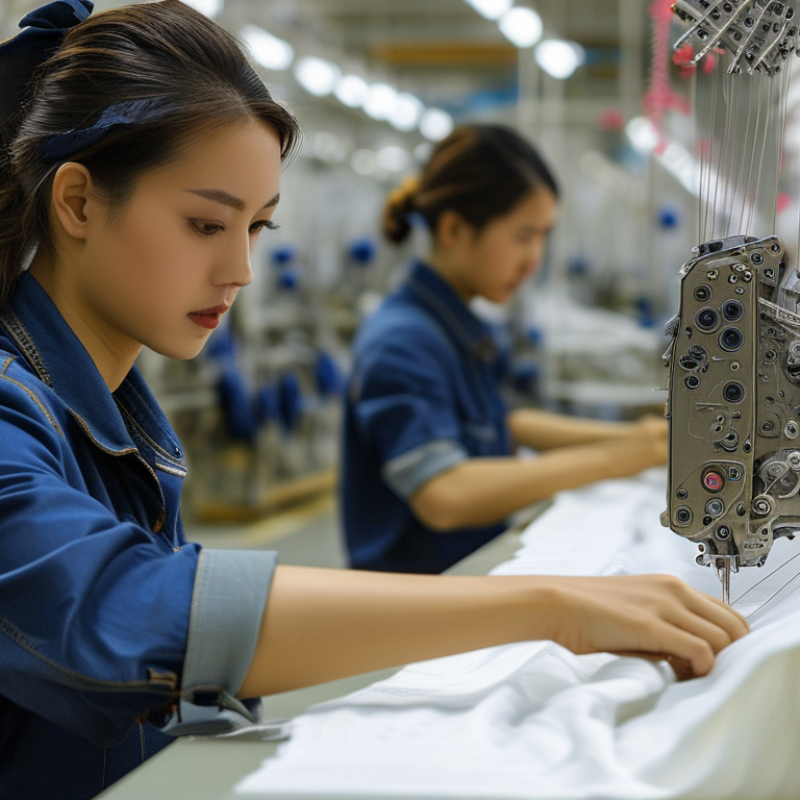
Overview of China's Woven Apparel Manufacturing Industry
China's woven apparel manufacturing industry plays a crucial role in the global supply chain. With decades of experience, China has built a solid infrastructure for textile production. Factories across provinces like Jiangsu and Guangdong specialize in weaving techniques, offering a range of fabrics. This diversity attracts global buyers seeking quality and variety.
Despite its strengths, the industry faces challenges. Issues such as environmental concerns and labor conditions require attention. Many manufacturers are investing in sustainable practices to reduce their carbon footprint. However, the transition can be slow and inconsistent. Buyers should prioritize those companies that demonstrate commitment to ethical production.
Additionally, innovation is necessary for growth. The market demands both functionality and style in woven apparel. Manufacturers must adapt to shifting consumer preferences and technology advancements. This dynamic landscape creates opportunities for collaboration and development. Global buyers can benefit from engaging with local manufacturers who understand these trends and can meet specific needs.
Key Players in the Woven Apparel Market in China
The woven apparel market in China is substantial, characterized by a blend of traditional craftsmanship and advanced manufacturing techniques. Recent reports valued the global woven apparel market at approximately $215 billion in 2022, with China contributing significantly to this figure. The country's production capabilities leverage vast resources and labor, enabling competitive pricing and high output.
Key players in this industry often utilize state-of-the-art technology to enhance efficiency. Statistics indicate that around 70% of garment factories in China have adopted automation in their processes. This shift not only reduces costs but also increases quality consistency. However, challenges remain. Many manufacturers face pressure to maintain sustainability amidst rising environmental concerns. The industry is actively seeking ways to reduce waste while fulfilling global demand.
While numerous suppliers exist, buyers must navigate the complex landscape. Variability in quality and communication can complicate partnerships. Research shows that nearly 30% of international buyers experience issues related to quality control when sourcing from China. Thus, establishing strong relationships with reliable manufacturers is crucial for ensuring product standards. Continuous improvement and adaptation remain vital for future success in this dynamic market.
Innovative Techniques in Woven Apparel Production
Innovative techniques in woven apparel production are reshaping the industry landscape in China. Manufacturers are increasingly adopting automation to enhance efficiency. A recent report from the Textile Research Journal indicates that automation can improve production speeds by up to 30%. This shift not only reduces labor costs but also minimizes human error, resulting in higher quality products.
Sustainability is another critical focus. Many companies are integrating eco-friendly materials into their woven apparel lines. According to a study by the Global Fashion Agenda, 67% of consumers prioritize sustainable options. This growing demand prompts manufacturers to rethink sourcing and production methods. Water-efficient dyeing processes and organic fabrics are becoming standard practices.
However, challenges exist. Transitioning to advanced manufacturing technologies requires significant investment. While the long-term benefits are clear, short-term disruptions can impact production timelines. Moreover, maintaining a balance between quality and cost remains a persistent struggle. As buyers around the globe seek innovative solutions, Chinese manufacturers must adapt and reflect on these evolving market demands.
Challenges Faced by Woven Apparel Manufacturers in China
Woven apparel manufacturing in China faces notable challenges. Labor costs have risen significantly. According to a recent report, wages for garment workers increased by over 10% in 2022. This trend impacts profit margins for manufacturers. Alongside rising labor costs, the competition has intensified among local and international players. Many buyers now seek lower-cost alternatives outside China.
Environmental regulations have also tightened. Manufacturers must adapt to new standards or face penalties. Compliance requires investment in sustainable practices and technologies. A study from the China National Textile and Apparel Council noted that nearly 30% of factories struggle to meet these guidelines. This may delay production timelines.
Supply chain disruptions further complicate the landscape. The COVID-19 pandemic highlighted vulnerabilities in logistics. A report indicated that 40% of producers experienced significant delays. While many factories are recovering, uncertainties remain. These challenges demand proactive strategies from manufacturers. Otherwise, they risk losing their foothold in the global market. Adaptability and innovation are essential for sustainability.
Challenges Faced by Woven Apparel Manufacturers in China
Future Trends in Global Sourcing of Woven Apparel from China
The global sourcing landscape for woven apparel from China is evolving rapidly. According to a report by Statista, the global apparel market is projected to reach $2 trillion by 2025, with significant contributions from China. This staggering growth underscores China’s pivotal role as a manufacturing hub. However, challenges persist in supply chain transparency and sustainability.
Buyers are increasingly demanding eco-friendly practices in the fashion industry. A McKinsey report indicates that 67% of consumers are willing to pay more for sustainable products. This shift compels manufacturers to invest in innovative technologies, such as digital textiles and environmentally friendly dyes. The rise of e-commerce also transforms how buyers source products, enabling them to connect directly with manufacturers.
Despite these advancements, issues like labor practices and quality control remain areas for improvement. There is a growing need for accountability throughout the production chain. Transparency can lead to stronger partnerships and trust. As the market shifts, brands must continue to adapt, balancing cost-efficiency with social and environmental responsibilities to stay competitive.
Top Woven Apparel Manufacturing in China for Global Buyers
| Category | Material Types | Production Capacity (units/month) | Export Markets | Trends |
|---|---|---|---|---|
| Casual Wear | Cotton, Linen, Blends | 500,000 | North America, Europe | Sustainability Focus |
| Formal Wear | Silk, Wool, Polyester | 300,000 | Asia, Africa | Smart Fabrics |
| Sports Apparel | Nylon, Spandex | 750,000 | Global | Athleisure Growth |
| Kids Wear | Cotton, Bamboo, Blends | 400,000 | North America, Europe | Eco-friendly Materials |
| Outerwear | Polyester, Down, Fleece | 200,000 | Europe, North America | Seasonal Innovations |
FAQS
: The global woven apparel market was valued at around $215 billion in 2022.
Approximately 70% of factories utilize automation to reduce costs and improve quality consistency.
Many manufacturers struggle with rising environmental concerns and must invest in sustainable practices.
Labor costs have increased by over 10% in 2022, impacting manufacturers' profit margins significantly.
Nearly 30% of international buyers experience problems related to quality control when sourcing from China.
Buyers now expect eco-friendly practices and sustainable products from manufacturers.
About 40% of producers faced significant delays due to supply chain disruptions during the pandemic.
Greater transparency can lead to stronger trust and partnerships within the production chain.
E-commerce allows buyers to connect directly with manufacturers, simplifying the sourcing process.
Brands should balance cost-efficiency with social and environmental responsibilities to succeed.
Conclusion
China's woven apparel manufacturing industry has established itself as a key player in the global market, driven by a combination of innovative techniques and a robust supply chain. Key players in this sector leverage advanced technologies to enhance production efficiency and quality, adapting to the evolving demands of international buyers. However, manufacturers face challenges such as rising labor costs and increasing environmental regulations, which may impact their competitiveness.
Looking ahead, future trends suggest a shift towards sustainable practices and digital transformation within woven apparel manufacturing. As global buyers become more conscious of ethical sourcing, China's industry is expected to innovate further, incorporating sustainable materials and transparent supply chains. This evolution will be critical for maintaining China’s leadership in the woven apparel market while meeting the diverse needs of a global consumer base.

Blog Tags: