
Industry Knowledge Hub

Garment Manufacturing Insights

Stay Updated with Apparel Sourcing, Textile Innovations & Export Trends

0%

The 2026 Top Private Label Garment Manufacturers Guide responds to a changing apparel market. Buyers now expect reliable quality, flexible minimum order quantities, and traceable production. A suitable Private Label Garment Manufacturer must support design development, fabric sourcing, sampling, production control, and delivery planning.

The Business of Fashion and McKinsey’s State of Fashion 2025 describes fashion growth as modest, while cost pressure and uncertain consumer demand remain significant challenges. This environment makes supplier evaluation more practical than promotional. A factory may show attractive product photos, yet production capacity, audit records, sample consistency, and communication often reveal more. Small details matter. Check seam strength, shrinkage results, colorfastness, and label placement before approving bulk production.

Textile Exchange’s Materials Market Report 2024 reported that global fiber production reached approximately 124 million tonnes in 2023. It also projects production could approach 160 million tonnes by 2030. This increase highlights the need for better material choices and clearer sourcing evidence. Certifications can help, but they should not replace direct verification. Some supplier claims remain difficult to compare.

This guide examines manufacturers through practical criteria, including technical expertise, factory experience, quality systems, responsible sourcing, customization ability, and export reliability. It also considers weaknesses. No manufacturer fits every brand, market, or price position. A premium label may need hand-finishing and small runs, while a growing retailer may prioritize automation and repeatability. The strongest decision combines documented evidence with physical samples, realistic timelines, and careful communication. That process is slower, but it reduces expensive surprises.
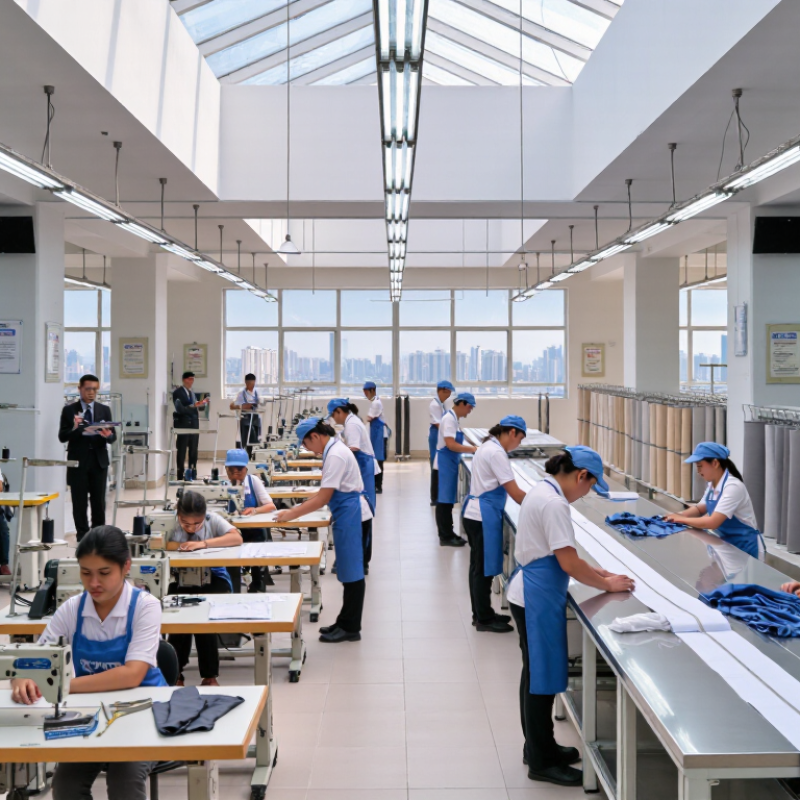
2026 Top Private Label Garment Manufacturers Guide

What Private Label Garment Manufacturing Means in 2026

Private label garment manufacturing in 2026 means creating clothing under your own label through an independent manufacturing partner. The manufacturer may develop patterns, source fabrics, produce samples, and manage bulk production. Your business controls the design direction, measurements, packaging, and customer experience.

The process is more transparent than it once was. Buyers now request fiber certificates, production records, and clear factory information before approving orders. A reliable partner can show sample revisions, inspection photos, and batch details. Digital pattern tools also reduce fitting errors, but they cannot replace a physical sample. Fabric still behaves differently after washing.

Minimum order quantities remain important. A small label may begin with 100 to 300 pieces per style, depending on construction and fabric availability. That sounds manageable. It can still create cash-flow pressure. Careful manufacturers discuss realistic lead times, shrinkage, color variation, and rejected units before signing production terms. They should also explain how workers are protected and how wastewater is handled.

Private labeling is not simply adding a logo. It requires technical communication, testing, and repeated quality checks. A rushed specification can produce twisted seams or an uncomfortable collar. Even experienced buyers miss details. The best approach leaves room for correction, because the first sample is rarely perfect.

How to Evaluate Private Label Clothing Manufacturers

Evaluating a private label clothing manufacturer requires more than comparing unit prices.

Request a factory profile, production photos, and recent sample records. A reliable supplier should explain its cutting, sewing, finishing, and inspection processes clearly. Vague answers create expensive risks later.

Order samples in your target fabric, not a substitute material.

Check seam strength, shrinkage after washing, color consistency, measurements, and label placement. Ask for the approved measurement sheet and compare every sample against it.

Confirm minimum order quantities, grading options, lead times, payment stages, and production capacity. A factory may promise fast delivery, but its capacity should match your seasonal demand.

Visit the facility when possible, or arrange a live video inspection. Look for organized fabric storage, clean work areas, and traceable quality records.

Independent testing can verify fiber content, colorfastness, and basic garment performance. Request applicable certifications and confirm their issuing details. Do not rely on polished presentations alone.

Real authority appears in consistent documentation and practical answers. No manufacturer will score perfectly. I once treated a strong sample as proof of reliable production; that judgment was incomplete.

Review communication speed, correction habits, and willingness to disclose limitations. Ask how rejected pieces are recorded and replaced. Small details matter. A trustworthy partner welcomes reasonable checks before accepting a large order.

Evaluate the evidence, not the confidence of the sales message.

Key Services Offered by Garment Manufacturing Partners

Private label garment manufacturers provide more than sewing capacity. Strong partners help turn an early concept into a production-ready garment. Their services often include design consultation, technical pack development, fabric sourcing, pattern creation, grading, and sample production. A detailed tech pack should specify measurements, seam construction, stitching, labels, trims, and packaging requirements. Small details matter.

Sampling reveals practical problems before bulk production begins. A sleeve may restrict movement, or a fabric may shrink after washing. Experienced manufacturers test these risks through fit samples, wash tests, and pre-production approvals. They can also recommend suitable fabric weights, thread types, and finishing methods for different markets. However, one approved sample does not guarantee perfect production. I have seen minor measurement changes appear between production batches, especially when several suppliers handle the same materials.

Quality control services may include inline inspections, final garment checks, measurement audits, color comparison, and defect reporting. Reliable partners document these steps with inspection records and clear approval points. They may also support production planning, inventory coordination, packaging, and shipment preparation. Compliance support is valuable too, but manufacturers should provide verifiable documentation rather than vague promises. A careful buyer still needs to review test reports, factory processes, and communication speed. Good cooperation is built through evidence, not attractive sample photos.

How to Compare Quality, Costs, and Production Capabilities

Comparing private label garment manufacturers starts with product evidence, not attractive promises. Request pre-production samples in the actual fabric, weight, and color. Check stitching density, seam strength, print alignment, and measurement accuracy. A professional supplier should explain fabric composition, shrinkage testing, colorfastness results, and inspection procedures clearly. I once approved a sample too quickly. The fit changed after washing.

Costs need a detailed breakdown. Ask for fabric, trims, labor, packaging, sampling, and transport as separate figures. Compare minimum order quantities, payment stages, sample fees, and costs for size or color changes. The lowest unit price may hide higher rework costs. A reliable factory should explain where pricing may change. Request a written quotation with assumptions and validity dates. Small details matter.

Production capability is more than having many machines. Review monthly capacity, operator experience, cutting equipment, embroidery or printing resources, and quality-control staffing. Ask how the factory handles peak seasons and urgent corrections. A realistic lead time includes material sourcing, sampling, production, inspection, and shipping preparation. Visit the facility when possible, or arrange a live video tour. Photos can be outdated. Also review relevant workplace, environmental, and product-safety records. Some suppliers answer every question perfectly, yet provide vague documents. That is a warning worth recording.

Steps for Selecting the Right Manufacturer for Your Brand

2026 Top Private Label Garment Manufacturers Guide

Selecting a private label garment manufacturer requires more than comparing prices. Start with your product specifications, target quantity, fabric preferences, and delivery window. A reliable manufacturer should explain production limits clearly. Ask for recent samples, not only digital photos. Check stitching, seam strength, fabric weight, shrinkage, and color consistency. Wash each sample twice. Small defects often appear after laundering.

Review the factory’s quality process and production capacity. Ask who checks measurements before cutting and who approves finished garments. Confirm minimum order quantities, sample fees, payment stages, and lead times in writing. Request evidence of relevant certifications and responsible workplace practices. Communication matters too. Slow replies can become expensive delays. Your first shortlist may be wrong. Recheck it after a sample review.

Tips: Speak with the actual production contact. Use a detailed measurement sheet. Compare identical sample requirements. Ask how rejected pieces are handled. Keep written records of every change. A factory may promise flexible quantities, but capacity can change during peak seasons. Allow extra time for corrections. Do not choose the lowest quote automatically; unusually low pricing may hide weaker fabric, rushed inspection, or unclear service terms.

FAQS

What does private label garment manufacturing involve?

An independent factory develops patterns, sources fabric, makes samples, and produces garments under your label. You control the design. You also control measurements, packaging, and customer experience.

Is adding a label enough?

No. Private labeling requires technical specifications, fabric testing, sample revisions, and repeated inspections. A rushed specification may create twisted seams or an uncomfortable collar. Small details matter.

How many pieces might a small label order?

Many small labels begin with 100 to 300 pieces per style. The exact quantity depends on construction and fabric availability. Even a manageable order can strain cash flow.

What should I check before approving a sample?

Use the target fabric, not a substitute. Check measurements, seam strength, shrinkage, color consistency, and label placement. Wash the sample. Fabric can change afterward.

How can I evaluate a manufacturer’s factory?

Request factory information, production photos, sample records, and quality procedures. A live video inspection can show fabric storage and work areas. Look for organized records. Vague answers deserve caution.

Which production details should I confirm before ordering?

Confirm minimum quantities, grading options, lead times, payment stages, and production capacity. Ask how rejected pieces are recorded and replaced. A fast promise may not match seasonal demand.

Are digital pattern tools enough for accurate fitting?

No. Digital tools can reduce fitting errors, but physical samples remain necessary. A screen cannot show every fabric behavior. Washing reveals more.

How can independent testing support garment quality?

Testing may verify fiber content, colorfastness, and basic garment performance. Request applicable certificates and check their issuing details. Do not trust polished presentations alone.

What responsible production information should I request?

Ask how workers are protected and how wastewater is handled. Request clear production records and batch details. Responsible practices should be explained practically, not vaguely.

What mistake should buyers avoid?

Do not treat one strong sample as proof of reliable bulk production. My earlier judgment would have been incomplete. Review correction habits, communication, and disclosed limitations.

Conclusion

The 2026 Top Private Label Garment Manufacturers Guide explains how private label production enables fashion brands to create customized clothing under their own identity, from design and fabric selection to labeling and packaging. A reliable Private Label Garment Manufacturer should offer clear communication, flexible minimum order quantities, dependable sampling, consistent quality control, and the ability to support both small collections and larger production runs.

The guide also outlines how to evaluate manufacturing partners by comparing craftsmanship, material options, pricing, lead times, production capacity, certifications, and fulfillment services. Brands should review samples, confirm technical specifications, assess transparency, and discuss quality standards before placing an order. By carefully balancing cost, quality, customization, scalability, and communication, businesses can select a manufacturing partner that matches their product vision and supports stable, long-term growth.

Liam

Liam

Liam is a dedicated marketing professional with extensive expertise in optimizing brand visibility and engagement. With a keen understanding of our core business, he excels in crafting insightful blog articles that highlight the unique advantages of our products and services. Liam’s passion for......