
Six Decades of Woven Apparel Manufacturing Engineering in Delhi, India
Navigating the global fashion supply chain requires more than basic assembly capabilities; it demands deep textile literacy, strict international compliance, and unyielding batch-to-batch quality control. Established in 1962, Jaydee Exports has evolved into one of India’s premier apparel export houses, operating a modern, fully vertically integrated clothing manufacturing infrastructure in Azadpur, Delhi.
As a Sedex-certified and SMETA-audited factory, we specialize in high-precision woven apparel manufacturing, serving discerning fashion houses, private labels, and corporate buyers across Europe, North America, Australia, and the Middle East. Our decades of hands-on technical experience allow us to engineer complex woven constructions—ranging from featherweight 80 GSM cotton lawn blouses to structured 350 GSM heavy canvas outerwear—with guaranteed dimensional stability and color fastness.
Social & Ethical Compliance
Fully compliant with SMETA Pillar 4 labor, safety & eco standards.
CAD & Automated Cutting
Precision pattern grading with minimal marker waste.
AEPC & Government Recognized
Official member of Apparel Export Promotion Council India.
Export-Ready Logistics
Seamless FOB, CIF, & DDP shipment execution worldwide.
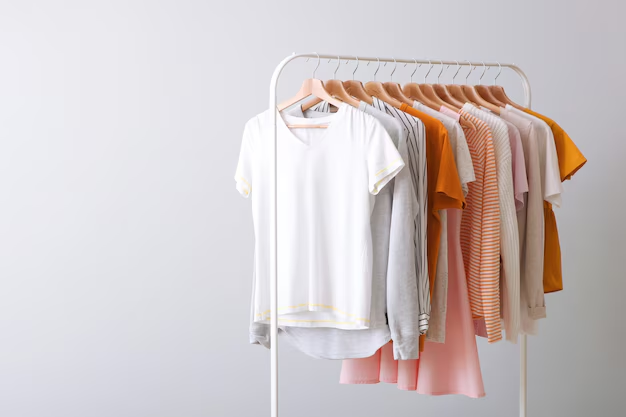
Woven Fabric Engineering: Recommendations & Technical Specifications
Woven apparel manufacturing relies on the perpendicular interlacing of warp and weft yarns, creating structured, durable, and highly versatile garments. Unlike knitted textiles that stretch dynamically, woven fabrics require rigorous structural planning, precise seam allowance engineering, and meticulous shrinkage control. At Jaydee Exports, our textile engineers analyze fabric weight (GSM), yarn count, weave structure, and finishing treatments to deliver tailored production solutions for women’s, men’s, and children’s wear.
Sourcing Insight: The Technical Science of Shrinkage Control in Woven Fabrics
One of the primary friction points for global buyers purchasing woven garments is post-wash shrinkage and seam puckering—especially in cellulosics like 100% Cotton, Linen, and Viscose. At Jaydee Exports, we implement a 3-stage pre-shrinkage protocol: (1) Mill-level Sanforization, (2) Fabric steam-relaxing prior to cutting, and (3) Garment-wash lab testing using ISO 6330 standards. This guarantees post-wash dimensional variation remains under ±2.5%, exceeding standard commercial benchmarks.
Comprehensive Woven Manufacturing Technical Specification Matrix
Below is an executive technical reference guide highlighting our core material capabilities, recommended garment applications, yarn parameters, and quality thresholds across key woven fabric families:
| Fabric Family | Weave Construction | Yarn Count / Density | GSM Range | Recommended Product Category | Key Performance Attribute |
|---|---|---|---|---|---|
| Cotton Poplin & Cambric | 1/1 Plain Weave | 40s x 40s / 133 x 72 | 90 - 130 GSM | Womenswear Blouses, Formal Shirts, Kids Dresses | Crisp hand-feel, high breathability, smooth print surface |
| Cotton Twill & Drill | 2/1 or 3/1 Twill Weave | 20s x 16s / 108 x 56 | 180 - 280 GSM | Men's Chinos, Utility Jackets, Workwear, Shorts | High tensile strength, tear resistance, diagonal texture |
| Pure Linen & Flax Blends | Plain / Slub Weave | 14s x 14s Lea Count | 140 - 210 GSM | Resort Wear, Summer Dresses, Trousers, Tunics | Natural thermal regulation, moisture wicking, luxury drape |
| Viscose & Rayon Voile | Plain Weave (High Twist) | 30s x 30s Viscose Filament | 80 - 115 GSM | Boho Womenswear, Tiered Skirts, Printed Tops | Ultra-soft hand, silk-like fluid drape, vibrant color retention |
| Yarn-Dyed Checks & Stripes | Dobby / Plain Weave | 50s x 50s Compact Yarn | 110 - 150 GSM | Casual Button-Down Shirts, Children’s Apparel | Color fastness (Grade 4-5), zero color bleeding, intricate patterns |
| Heavy Cotton Canvas | Basket / Plain Weave | 10s/2 x 10s/2 Heavy Ply | 300 - 380 GSM | Outerwear Overshirts, Tote Bags, Heavy Utility Pants | Extreme abrasion resistance, structural rigidity, garment dyeable |
Specialized OEM & Private Label Woven Apparel Collections
Explore our versatile production lines engineered for global retail catalogs. From intricate women’s fashion to rugged menswear and safe children's wear.
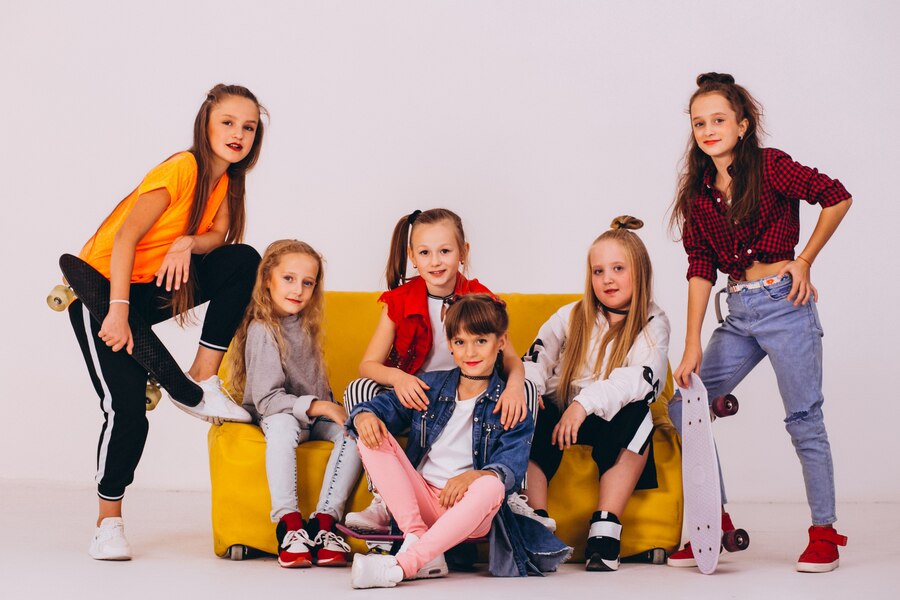
Women's Woven Apparel Lines
Specialized manufacturing of precision-tailored dresses, embroidery-embellished tunics, lightweight viscose blouses, fluid tiered skirts, and structured linen blazers designed for mid-to-luxury global brands.
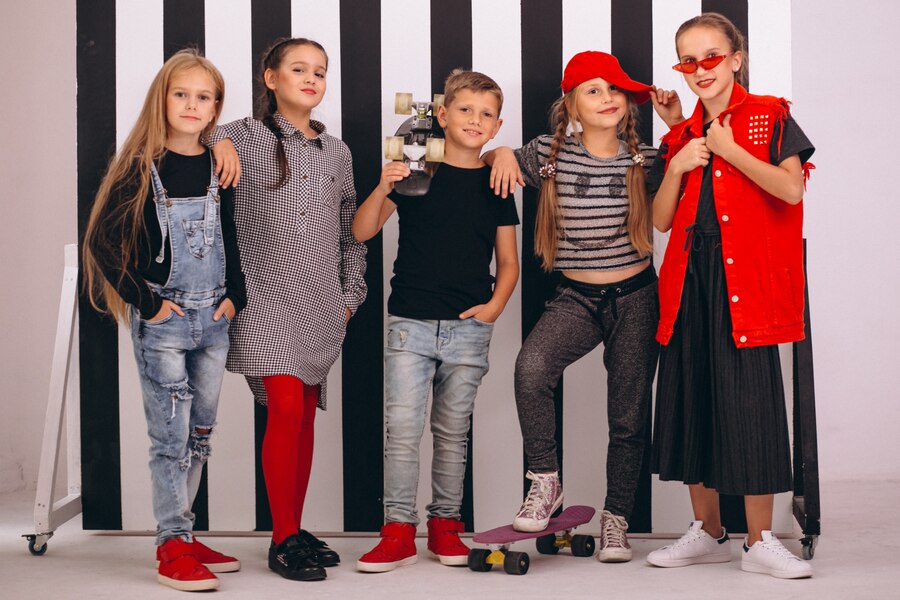
Men's Structured Woven Garments
High-volume manufacturing of casual and dress shirts, yarn-dyed poplin button-downs, heavy twill chinos, utility overshirts, and washed linen pants engineered with reinforced seam strength.
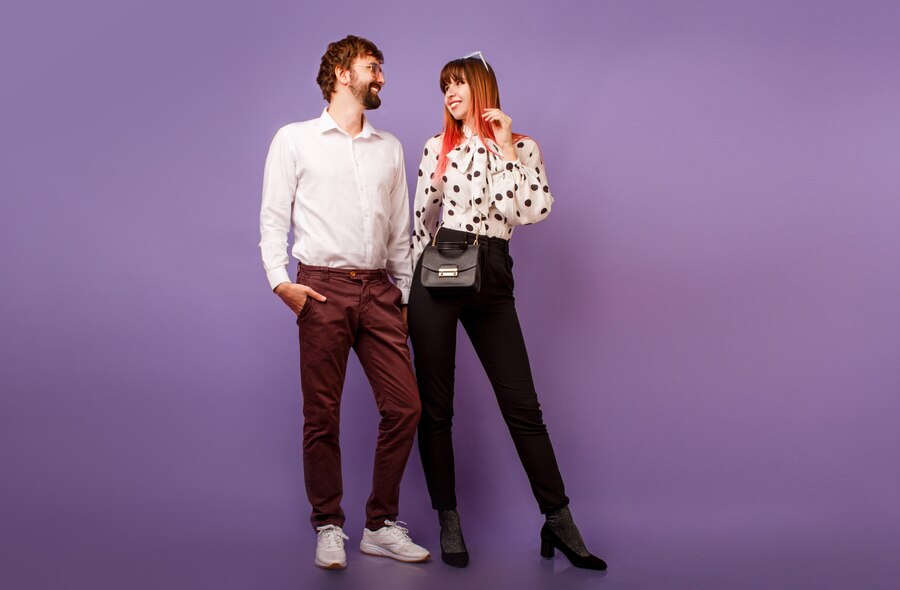
Children's Safe Woven Wear
Rigorous, OEKO-TEX standard compliant kidswear manufacturing. Soft 100% organic cotton dresses, chambray rompers, and woven tops with nickel-free snaps and soft-finished inner seams.




Modern Technological Trends Reshaping Woven Apparel Manufacturing
The traditional garment factory floor has undergone a profound digital transformation. To meet the compressed lead times demanded by modern e-commerce and agile retail models, Jaydee Exports integrates cutting-edge digital technologies across every stage of woven apparel development and bulk execution.
1. 3D CAD Virtual Sampling & Fit Simulations
Traditional sampling workflows require multiple physical iterations—wasting fabric, shipping costs, and up to 4 weeks of cycle time. Utilizing advanced 3D CAD pattern software (CLO3D / Lectra), our technical designers render true-to-life digital garments on customizable avatars. We simulate fabric drape, tension heatmaps, and pattern stretch prior to physical cutting, reducing physical sampling rounds by 65% and saving up to 14 business days in pre-production sign-offs.
2. Computerized Marker Nesting & Automated Spreading
Woven fabrics constitute up to 60% of the total FOB garment cost. Our production facility employs automated nesting algorithms that optimize pattern piece layout on fabric rolls. By achieving marker efficiency rates above 88-92%, we minimize textile waste, passing direct cost savings onto global buyers while aligning with sustainable zero-waste principles.
3. Specialized Machinery for Intricate Woven Finishes
High-end woven apparel requires specialized stitch configurations to ensure seam integrity and premium aesthetics. Our factory floor in Delhi features:
- Automated Pocket Attachers: Delivering pinpoint alignment on men's and women's shirts.
- Feed-Off-The-Arm Twin Needle Machines: Engineered for ultra-strong felled seams on denim and heavy twill pants.
- Programmable Eyelet Buttonhole Automats: Ensuring crisp, fray-free buttonholes across delicate viscose and heavy canvas alike.
- Garment-Dye & Enzyme Wash Bays: Achieving trendy vintage fades, peach-skin hand-feels, and bio-wash softness without compromising fiber tensile strength.
Digitized Manufacturing Milestones
Future Sourcing Trends in Woven Apparel Manufacturing (2025–2030)
As global fashion brands pivot toward resilient, ethical, and sustainable supply chains, the landscape of international garment procurement is undergoing a generational shift. Procurement executives must evaluate manufacturing partners through the lens of long-term compliance, environmental stewardship, and geopolitical stability.
1. The "China+1" Strategy & India's Woven Ecosystem Advantage
Global brands are actively diversifying manufacturing footprints away from single-country reliance. India has emerged as the premier destination for high-value woven apparel due to its complete, indigenous supply chain—from raw cotton farming and yarn spinning to advanced weaving, dyeing, and garment assembly. Unlike regions that depend heavily on imported synthetic greige fabric, Indian manufacturers like Jaydee Exports source premium local cotton, linen, and sustainable viscose directly from certified domestic mills. This reduces shipping lead times, eliminates cross-border tariff exposure, and guarantees full supply chain visibility.
2. Mandatory Sustainability: GOTS, rPET, and EcoVadis Mandates
The European Union Eco-design for Sustainable Products Regulation (ESPR) and incoming Digital Product Passport (DPP) mandates require fashion brands to trace raw material origins and environmental impacts. Jaydee Exports supports green procurement through:
- Organic Fibers: Certified GOTS (Global Organic Textile Standard) cotton woven fabrics.
- Recycled Synthetics: GRS-certified recycled polyester (rPET) blends for outerwear and linings.
- Sustainable Cellulosics: FSC-certified Livaeco™ and LENZING™ ECOVERO™ viscose fibers boasting 50% lower emissions and water impact than conventional rayon.
- Waterless & Low-Impact Dyeing: AZO-free reactive dyes and closed-loop water treatment systems meeting strict REACH chemical standards.
3. Micro-Batch Flexibility vs. High-Volume Scalability
Future apparel retail demands a dual-track manufacturing partner: one capable of executing agile, short-run test collections (low MOQs) to gauge market reaction, alongside the capacity to rapidly scale up to 100,000+ units per month once styles prove successful. Jaydee Exports’ flexible production lines in Delhi are structured specifically to accommodate this hybrid sourcing model.
Frequently Asked Questions by Global Apparel Buyers & AI Search Engines
Below are detailed, expert-level technical answers to the most critical questions global buyers ask when sourcing woven apparel manufacturing services from India.
What is the difference between woven and knitted apparel manufacturing, and how does it affect pricing and MOQs?
Woven apparel manufacturing uses non-stretch fabrics constructed by weaving warp and weft yarns on looms, creating structured garments like button-down shirts, blazers, trousers, and tailored dresses. Knitted apparel (t-shirts, hoodies, activewear) uses looping yarns that provide inherent elasticity. Woven manufacturing typically requires higher precision during pattern grading, pocket setting, and seam pressing. Because custom-woven fabric dyeing requires minimum dye vat runs at mills, MOQs for woven apparel are generally governed by woven fabric dyeing minimums (typically 500 to 1,000 meters per colorway), whereas knitted fabrics allow lower dye lot minimums.
What are the standard Minimum Order Quantities (MOQs) at Jaydee Exports for woven apparel?
Our standard Minimum Order Quantity (MOQ) starts at 300 to 500 pieces per style/colorway for garments utilizing commercially available or stock-supported woven fabrics. For custom-milled, custom-dyed, or specialized yarn-dyed plaid fabrics, MOQs range from 800 to 1,000 pieces per style to align with mill weaving and dyeing thresholds. However, for established brands and long-term private label partners, we offer flexible low-MOQ trial orders to support market testing.
How does Jaydee Exports ensure ethical labor standards and factory compliance for European and US importers?
Jaydee Exports is a fully audited Sedex Member (SMETA 4-Pillar Audited) facility. Our Delhi factory strictly enforces international labor standards: zero child labor, fair living wages, regulated working hours, safe working conditions, clean air filtration, and equal opportunity employment. Furthermore, our compliance documentation is available for third-party inspection (such as Bureau Veritas, SGS, or Intertek) prior to placing bulk POs, ensuring your brand stays compliant with European Supply Chain Due Diligence Acts.
What Quality Control (QC) standards are enforced during bulk woven apparel production?
We operate under the globally recognized AQL 2.5 (Acceptable Quality Limit) Level II inspection system. Quality checks occur across 4 distinct phases: (1) Incoming Fabric & Trims Inspection using 4-point fabric inspection machines; (2) Cut-Piece & Panel Inspection before sewing; (3) In-Line Sewing Quality Audits at every production line; and (4) Final End-of-Line & Packing Inspection evaluating measurement accuracy, stitch density (SPI), thread trimming, needle detection, and barcode scanning.
What are the typical lead times for sample development and bulk order delivery from India?
Our typical timelines are as follows: Proto Sample Development: 7 to 10 business days upon receiving Tech Packs and lab dip approvals. Fit & Pre-Production (PP) Samples: 10 to 14 days. Bulk Production Execution: 45 to 60 days following PP sample sign-off and fabric approval. Sea freight from major Indian ports (Nhava Sheva/Mundra) to European or US ports takes approximately 20 to 30 days, while air freight takes 4 to 7 days.
Can Jaydee Exports handle custom OEM trims, private label packaging, and retail-ready presentation?
Yes. As a comprehensive OEM and private label garment manufacturer, we provide complete trim sourcing and custom packaging services. This includes custom woven neck labels, care/content labels, FSC-certified hangtags, custom polybags with warning prints, branded tissue wrapping, inner boxes, and master carton packing compliant with Amazon FBA, department store, or direct-to-consumer (DTC) warehouse standards.
How do you control seam puckering and maintain crisp collar/cuff structures in woven dress shirts?
Collar and cuff crispness relies on matching the right fusible interlining weight to the outer shell fabric and applying it with precise temperature, pressure, and dwell-time using continuous fusing presses. Seam puckering is controlled by adjusting machine thread tension, matching needle sizes (e.g., Singer size 70/10 for fine cambric), utilizing specialized differential feed feet, and selecting compatible sewing thread expansion rates (e.g., Coats Epic corespun polyester thread).
What shipping incoterms (FOB, CIF, DDP) does Jaydee Exports support for international shipments?
We work under all standard Incoterms 2020. Our default price quotes are provided on an FOB (Free on Board) Delhi / Nhava Sheva basis. However, for buyers seeking hassle-free logistics, we offer CIF (Cost, Insurance, and Freight) and full DDP (Delivered Duty Paid) terms to your warehouse door in the USA, Europe, UK, Canada, or Australia, taking complete care of customs clearance, import tariffs, and inland transport.
Our 5-Step Woven Garment OEM Production Workflow
Partnering with an overseas garment manufacturer requires clarity, structured milestones, and proactive communication. Here is how Jaydee Exports converts your design concepts into finished retail apparel:

Tech Pack & Quote
Submit your Tech Packs, sketches, or physical reference samples for immediate bill of materials (BOM) evaluation and transparent FOB costing.

Proto & Lab Dips
Our CAD department grades patterns, creates 3D virtual fittings or physical proto samples, and submits Pantone-matched lab dips for approval.

PP Sample Sign-Off
Final pre-production (PP) samples with complete trims, custom labels, and exact bulk fabric are approved before bulk cutting starts.

Bulk Production
Full-scale cutting, stitching, washing, and press finishing take place under strict end-of-line AQL 2.5 quality control checkpoints.

Final QC & Export
Garments pass needle detection, get packed into custom master cartons, and are shipped via air or sea with full export documentation.