
Garment Manufacturing Insights
Stay Updated with Apparel Sourcing, Textile Innovations & Export Trends
What Is OEM Clothing Manufacturing?
OEM Clothing Manufacturing is a production model in which a factory makes garments to a buyer’s specifications, often using the buyer’s designs, materials, or labels. The factory may handle pattern development, sampling, cutting, sewing, finishing, and packing. The exact division of work varies. That detail matters.
The scale behind this model is substantial. The World Trade Organization’s World Trade Statistical Review 2023 reported that global clothing exports reached about US$576 billion in 2022. This figure reflects a complex international supply chain, not just factory output. For brands, OEM production can provide access to established equipment and skilled teams without building a factory. For manufacturers, it can mean steady orders, but also tight deadlines and detailed quality requirements.
OEM is not a guarantee of lower costs or consistent results. Buyers need to assess a factory’s sample quality, production capacity, material sourcing, and communication before placing large orders. A shirt’s stitching, for example, may look neat on a sample yet vary across thousands of finished pieces. That happens. The International Labour Organization’s guidance on garment supply chains also highlights the importance of responsible purchasing practices and working conditions. Clear specifications and realistic timelines help, but they do not replace regular checks. This guide explains how OEM Clothing Manufacturing works, what buyers should verify, and where the model’s limits can appear.
What OEM Clothing Manufacturing Means
What Is OEM Clothing Manufacturing?
What OEM Clothing Manufacturing Means
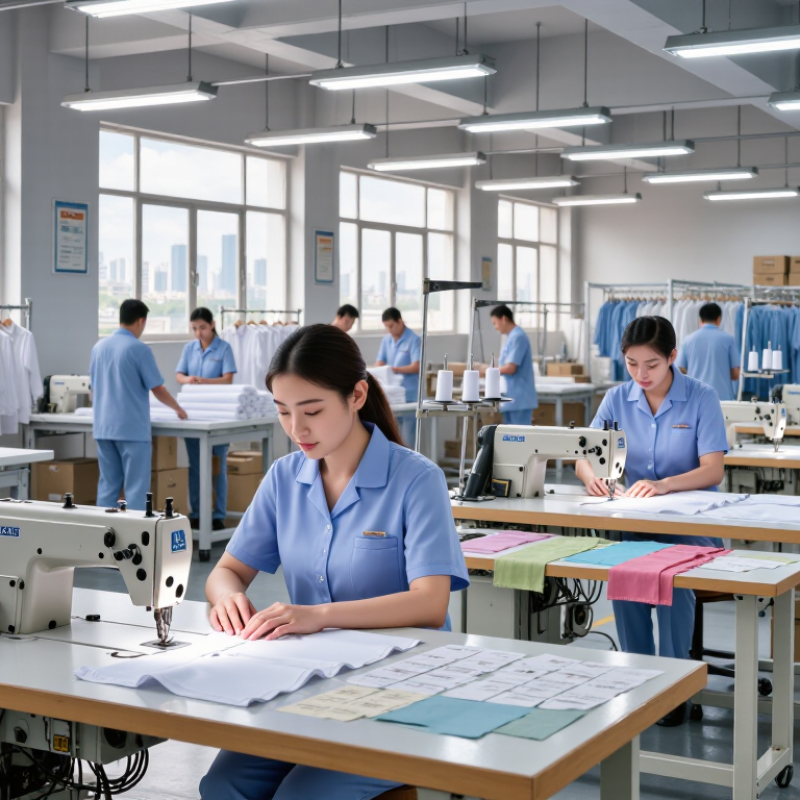
OEM clothing manufacturing means producing garments according to a buyer’s specifications. The buyer usually provides the design, fabric requirements, measurements, labels, and packaging instructions. The factory converts these details into physical products. It may develop samples, source materials, cut fabric, sew panels, and complete quality inspections.
The process is more technical than it sounds. A practical OEM order often includes a tech pack, size chart, color standard, approved sample, and inspection checklist. Small errors matter. A two-millimeter collar difference can change the garment’s appearance. A loose thread may also signal weak process control. Factories normally discuss minimum order quantities, production capacity, lead times, and testing requirements before accepting work.
Material choices create wider consequences. Textile Exchange’s 2024 Materials Market Report states that global fiber production reached 124 million tonnes in 2023. It may rise to 160 million tonnes by 2030. This growth makes material traceability and waste reduction increasingly important in OEM production.
Buyers should request fiber documentation, production records, and inspection evidence. Yet paperwork is not proof by itself. On-site checks and independent testing remain valuable.
OEM manufacturing can reduce development costs, but it does not remove responsibility. Clear specifications prevent rework. Reliable communication prevents expensive mistakes. The uncomfortable truth is that many production problems begin before sewing starts.
How an OEM Clothing Order Moves from Design to Delivery
OEM clothing manufacturing turns a buyer’s original design into a finished garment made to agreed specifications. The process usually begins with a tech pack, sketches, measurements, fabric details, labels, and packaging instructions. A factory reviews construction risks before quoting. It may question seam strength, shrinkage, or an unrealistic delivery date. Details matter. Clear communication prevents expensive surprises later.
After the quotation is accepted, fabric swatches and accessories are checked against the design. The factory then creates a prototype for fitting and construction review. Measurements, stitch density, pocket placement, and wash results are examined carefully. Not every first sample is right. A sleeve may twist, or a fabric may shrink more than expected. Revisions are normal, and written approval should record every change before bulk production starts. A production sample can also confirm the final color and workmanship.
During manufacturing, cutting teams follow approved patterns, while quality staff inspect panels, seams, and measurements. Random checks should happen during sewing, not only at the end. Finished garments are folded, packed, counted, and prepared for shipment with the required documents. Delivery depends on production capacity, inspection timing, transport space, and customs procedures. A practical order includes time for corrections. Rushing this stage often creates avoidable defects, although even careful planning cannot remove every uncertainty.
The Roles of Brands, Manufacturers, and Suppliers
In OEM clothing manufacturing, the brand sets the product direction and provides the design brief, measurements, fabric requirements, and order quantities. It also reviews samples and approves key details, such as pocket placement or stitching color. Clear specifications reduce guesswork, but a sketch alone rarely explains how a garment should fit or perform. Small details matter.
The manufacturer turns those requirements into production steps. Its team may assess whether a pattern is practical, make samples, plan cutting and sewing, and check garments against agreed measurements. A reliable process includes written quality standards and checks during production, not only at the end. Suppliers provide the materials and components, such as fabric, thread, buttons, and labels. Their consistency affects color, feel, and delivery timing. This division is not always tidy: a manufacturer may help source materials, while a brand may nominate a supplier. That overlap needs careful communication. A late fabric approval can delay sewing, even when the factory is ready. And sample approval does not guarantee every finished piece will match perfectly; agreed tolerances and realistic inspections still matter.
What Is OEM Clothing Manufacturing? — The Roles of Brands, Manufacturers, and Suppliers
| Participant | Primary Role | Typical Responsibilities | Common Inputs or Deliverables | Key Coordination Points |
|---|---|---|---|---|
| Brand or Buyer | Defines the product requirements and places the manufacturing order. | Sets the target customer, design direction, specifications, quality expectations, order quantities, and delivery requirements; reviews samples and approves production. | Design files, measurement specifications, color references, size range, labeling instructions, purchase order, and sample feedback. | Confirms that specifications are complete, approves pre-production samples, and communicates changes before production begins. |
| Clothing Manufacturer | Turns approved product requirements into finished garments. | Plans production, develops or reviews patterns, makes samples, cuts and sews fabric, performs in-line and final inspections, and packs finished goods according to agreed instructions. | Patterns, sample garments, production records, inspection results, and packed finished garments. | Checks manufacturability, capacity, lead times, workmanship standards, and handling of nonconforming products. |
| Fabric Supplier | Provides the textile material used to make the garment. | Produces or sources fabric to agreed fiber content, construction, weight, color, finish, and performance requirements; supplies relevant test or material information when agreed. | Fabric rolls, shade references, material specifications, and available test documentation. | Coordinates color approval, testing needs, minimum order quantities, availability, and delivery timing with the buyer or manufacturer. |
| Trim and Component Supplier | Supplies non-fabric parts used in garment construction or finishing. | Provides items such as buttons, zippers, thread, elastic, labels, drawcords, and packaging materials to the required specification. | Approved components, color or finish references, component specifications, and packaging supplies. | Ensures components match approved samples and are available in the quantities and timeframe required for production. |
| Quality or Testing Service | Provides inspection or testing support when requested or required. | May assess workmanship, measurements, fabric properties, colorfastness, or other agreed criteria; reports findings to the relevant parties. | Inspection reports, test results, and records of observed issues. | Uses agreed methods and acceptance criteria; testing scope should be defined before work is commissioned. |
| Freight or Logistics Provider | Coordinates movement of materials or finished goods between locations. | Arranges transport, shipment documentation, and tracking according to the agreed shipping plan. | Shipment records, transport documents, tracking updates, and delivery status. | Aligns pickup dates, shipment details, responsibilities, and delivery deadlines with the buyer and manufacturer. |
How the relationship works: In an OEM clothing arrangement, the buyer generally specifies the product and the manufacturer produces it to the agreed requirements. The manufacturer may source fabric and trims, or the buyer may nominate or supply them. The exact division of responsibilities depends on the contract, purchase order, and production agreement.
Key Advantages and Challenges of OEM Production
What Is OEM Clothing Manufacturing?
Key Advantages and Challenges of OEM Production
OEM clothing manufacturing lets a buyer provide product specifications while a factory handles production. This can include fabric selection, measurements, labels, and finishing details. The arrangement is useful when a business needs consistent garments without operating its own sewing facility. A clear tech pack helps: include graded measurements, stitch details, fabric weight, and color references. A sample can reveal issues that drawings miss. For example, a sleeve may twist after washing, even when its flat measurements look correct. Small checks matter.
The main advantage is production expertise. An experienced factory may coordinate cutting, sewing, and quality checks more efficiently than a new in-house team. Larger orders can also make unit costs more predictable, though savings depend on materials, order size, and shipping. There are trade-offs. Minimum order quantities may tie up cash, and busy production schedules can delay delivery. Quality can vary if specifications are vague or inspections happen only at the end. Ask how defects are recorded and corrected, and agree on sample approval before bulk production. Keep communication specific. Even then, a perfect process is not guaranteed; fabric shades can differ between batches, and plans sometimes need revision. A practical timeline should leave room for that.
OEM Clothing Manufacturing: Global Clothing Export Value
Global clothing exports grew from about $442 billion in 2020 to $576 billion in 2022, illustrating the scale of the market in which OEM manufacturers operate. Export value is market context—not a measure of OEM production or its advantages and challenges.
Source: WTO, World Trade Statistical Review 2023. Values are rounded; current US dollars.
How to Evaluate an OEM Clothing Manufacturer
What Is OEM Clothing Manufacturing?
How to Evaluate an OEM Clothing Manufacturer
A capable OEM clothing manufacturer turns your designs and specifications into finished garments. Evaluate more than the sample: review production controls, communication, and evidence of consistent quality. The ILO estimates that the garment industry employs about 60 million people worldwide, underscoring the human impact of sourcing decisions. Ask how the factory tracks working hours, safety training, and subcontracting. Request records, not just assurances.
Check a recent sample against your tech pack. Measure key points, inspect seams, and compare fabric color under daylight. Then ask how the factory handles failed inspections, material shortages, and schedule changes. A clear answer should name the responsible person and explain the next step. Request a small pilot order before committing to larger volumes. Confirm capacity, minimum order quantities, sample fees, payment milestones, and lead times in writing. One weakness: a polished showroom sample cannot prove bulk consistency.
Tips: Ask for a production timeline with checkpoints. Verify references, inspect the facility when practical, and use an independent quality inspection. Compare quoted fabric specifications with test results, such as shrinkage and colorfastness. Keep approval samples and written change records.
FAQS
It means a factory produces garments from a buyer’s specifications. These may include designs, fabrics, measurements, labels, and packaging instructions.
A useful package includes a tech pack, size chart, color standard, approved sample, and inspection checklist. Clear details reduce avoidable rework.
The factory reviews construction risks, checks materials, and creates a prototype. The buyer should review fit, stitching, measurements, color, and shrinkage.
Yes. A sleeve may twist, or fabric may shrink after washing. Revisions are normal. Written approval should record every change.
Teams inspect cut panels, seams, measurements, and stitch density. Random checks should happen during sewing, not only after garments are finished.
Buyers can use factory expertise without operating their own sewing facility. Larger orders may also make unit costs more predictable.
Minimum quantities may tie up cash. Busy schedules can delay delivery. Vague specifications may cause inconsistent quality and expensive corrections.
Request fiber records, production documents, and inspection evidence. Paperwork helps, but it is not proof alone. Independent testing and site checks remain valuable.
Production capacity, sample approvals, inspections, transport space, and customs procedures can affect timing. A realistic schedule includes time for corrections.
No process is perfect. Fabric shades can differ between batches, and plans sometimes need revision. Small uncertainties should be expected.
Conclusion
OEM Clothing Manufacturing is a production arrangement in which a clothing manufacturer makes garments based on a client’s designs, specifications, and requirements. The process typically begins with sharing design files, materials, measurements, and quantity needs. The manufacturer may then create samples for review, confirm pricing and production details, make the approved garments, and arrange quality checks and delivery. Throughout the process, the client guides the product vision while the manufacturer manages production, often working with suppliers that provide fabric, trims, and other materials.
OEM production can help businesses access manufacturing expertise, scale output, and focus on design and sales. It also requires clear communication and careful planning, since delays, inconsistent quality, or changes in material availability can affect the result. To evaluate a manufacturer, review its relevant experience, production capacity, sample quality, communication, quality-control process, lead times, and pricing. Clear agreements on specifications and expectations help both parties work toward a reliable outcome.

Blog Tags: