
Garment Manufacturing Insights
Stay Updated with Apparel Sourcing, Textile Innovations & Export Trends
2026 Best Contract Clothing Sewing Manufacturers?
Table of Contents
- What Contract Clothing Sewing Manufacturers Do in 2026
- Services and Production Capabilities Offered by Sewing Manufacturers
- How to Evaluate Quality, Compliance, and Production Capacity
- Factors That Affect Contract Sewing Costs and Lead Times
- How to Compare Manufacturers and Choose the Right Partner
- FAQS
- Conclusion
- Related Posts
The search for the 2026 Best Contract Clothing Sewing Manufacturers? is not just a price comparison. A capable partner must turn a technical pack into consistent garments, meet realistic lead times, and communicate clearly when a sample fails. Small details matter: seam strength, label placement, and how cartons arrive after a long production run.
McKinsey and The Business of Fashion’s State of Fashion 2025 report found that fashion executives expected only 1 to 2 percent industry growth that year. In a cautious market, sourcing decisions deserve closer scrutiny. The International Labour Organization has estimated that the garment industry employs around 60 million people worldwide. These figures make supplier selection more than a production question; it also calls for attention to workforce conditions and factory practices.
Ethical-fashion journalist Lucy Siegle wrote, “Fast fashion isn’t free. Someone, somewhere is paying,” in To Die For. Her warning is not a factory assessment, but it offers a useful lens when comparing Contract Clothing Sewing providers. A low quote can hide costs in inconsistent sizing, rework, or missed delivery windows. Not every factory fits. This guide will examine capabilities, communication, quality checks, and evidence buyers can request before placing an order. A polished website is not proof of a reliable production line. A sample run can reveal a great deal, though even that is only one part of the decision.
What Contract Clothing Sewing Manufacturers Do in 2026
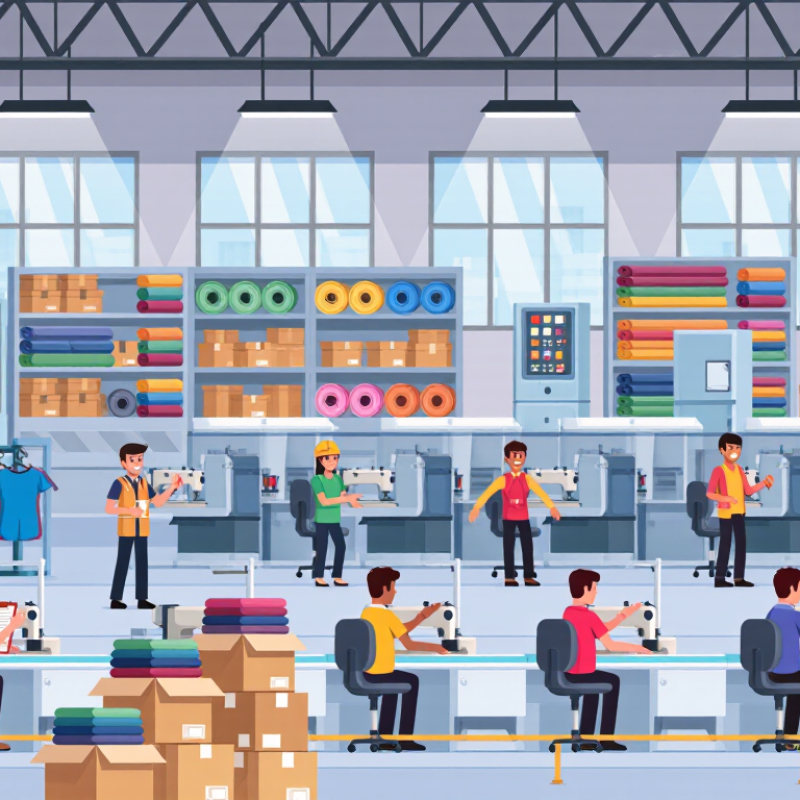
Contract clothing sewing manufacturers turn design files into garments that can be produced consistently. In 2026, their work often starts before fabric reaches the cutting table. They review measurements, seam details, trims, and order quantities. Small details matter. A pocket placed slightly too low can affect fit, appearance, and sewing time.
Teams may create patterns, sew prototypes, and adjust construction before approving a production run. They coordinate fabric and trim sourcing, checking color, shrinkage, and stock availability. Next, cutting teams prepare fabric layers, sewing operators join garment panels, and finishing staff press, label, inspect, and pack each piece. Digital planning and automated cutting can improve consistency, but experienced workers still spot problems that software may miss. Not every facility has the same tools.
Manufacturers also plan capacity, monitor quality, and report production progress to clients. Buyers may ask for sample approvals, measurement checks, and updates when materials arrive late. These steps reduce surprises, though they cannot remove every risk. A written production plan is useful, but it can still overlook a detail on a complicated garment. Clear tolerances and timely feedback help teams resolve issues before thousands of pieces are finished.
Services and Production Capabilities Offered by Sewing Manufacturers
Contract sewing manufacturers can support a garment from an early sketch to finished production. Services may include pattern development, sample sewing, size grading, fabric cutting, assembly, pressing, and packing. The exact range varies by facility, so buyers should confirm which steps happen in-house and which rely on outside partners.
A useful production review starts with a sample. Check seam consistency, pocket placement, zipper movement, and how the garment fits after washing. Fit matters. Ask whether the manufacturer can adjust patterns and produce revised samples before approving bulk work. Clear tech packs, measurement charts, and fabric specifications reduce avoidable errors. They also give sewing teams practical guidance on stitch type, seam allowance, and finishing.
Capacity is more than a monthly unit estimate. Ask about machine types, line setup, minimum order quantities, and how the factory handles rework. Quality checks may happen during cutting, sewing, and final inspection; request a written description of those checks. A polished sample can still hide production problems. That is worth remembering. Communication matters too: agree on update frequency, approval points, and how changes are recorded. Even experienced teams can misunderstand a small detail, such as thread color or label position, so confirm it in writing.
How to Evaluate Quality, Compliance, and Production Capacity
A strong contract clothing sewing manufacturer should prove quality through repeatable checks, not polished sample-room displays. Request production samples in the intended fabric, then compare seam width, stitch density, measurements, and finishing against the approved specification. Ask how defects are recorded and corrected. A neat sample can hide uneven work on a busy line. Check a full size run, too.
For compliance, review current factory records, worker training procedures, and material traceability documents. Confirm that subcontracting is disclosed and that inspection findings have clear corrective actions. Capacity needs similar evidence: examine monthly output by product type, machine availability, staffing plans, and peak-season scheduling. A large capacity figure means little without context. Ask for a realistic pilot order timeline and clarify how delays are reported. The right answer may be less impressive, but more useful.
Tips: Visit the sewing floor if possible. Watch one garment move from cutting to final inspection, and note bottlenecks. Request a small pilot run before committing to larger volumes. Keep the checklist practical; even experienced buyers can miss details when deadlines are tight.
2026 Best Contract Clothing Sewing Manufacturers?
Suggested evaluation weights for comparing quality, compliance, and production capacity
Use these suggested weights as a starting point, then adjust them to fit your product, order volume, and sourcing requirements. Verify each manufacturer’s capabilities with current documentation, samples, and a production review.
Factors That Affect Contract Sewing Costs and Lead Times
Contract sewing prices reflect more than minutes at the machine. Labor rates, garment complexity, order size, and fabric handling all matter. The U.S. Bureau of Labor Statistics reported a median annual wage of about $34,700 for sewing machine operators in May 2023. That is a U.S. wage benchmark, not a factory quote. It excludes overhead, training, quality checks, and machine downtime.
Lead times depend on the same details that shape cost. A lined jacket with pockets needs more operations than a simple T-shirt. Small orders may wait while a factory schedules a production line; late fabric, unclear measurements, or repeated sample changes can add days. The BLS also projected sewing-machine-operator employment to decline 10% from 2022 to 2032. This U.S. forecast does not predict labor availability in every sourcing region, but it signals why skilled capacity deserves checking.
Ask for separate timelines for sampling, material sourcing, bulk sewing, and inspection. Request the assumptions behind each estimate, including fabric delivery dates and approved sample status. A quoted lead time can look precise. It is still conditional. One overlooked trim can hold up finished garments, so build a buffer and confirm what happens when inputs arrive late.
2026 Best Contract Clothing Sewing Manufacturers? - Factors That Affect Contract Sewing Costs and Lead Times
| Cost or Lead-Time Factor | Typical Effect on Cost | Typical Effect on Lead Time | What to Confirm When Requesting a Quote |
|---|---|---|---|
| Garment complexity | More pattern pieces, difficult construction, lining, and specialized seams generally increase labor and production cost. | Complex styles can take longer to sample, approve, and sew than basic garments. | Provide a tech pack, construction details, size range, and reference sample if available. |
| Order quantity and production run | Small runs often have a higher per-unit cost because setup, sampling, and handling are spread across fewer pieces. | Larger orders may require more production time, even when sewing efficiency improves. | Request pricing at several quantities and confirm minimum order requirements by style and color. |
| Fabric sourcing and availability | Fabric type, finish, width, color, and minimum mill order can materially affect the total garment cost. | In-stock fabric may be available quickly; custom colors or specialty materials can add several weeks. | Confirm who sources the fabric, whether it is in stock, and whether a substitute is acceptable. |
| Samples and approvals | Pattern development, sample sewing, and revisions may be charged separately or included under agreed conditions. | A first sample commonly takes about 1–3 weeks after specifications and materials are ready; revisions add time. | Ask how many sample rounds are included and how quickly approvals are needed to hold the schedule. |
| Trims, labels, and packaging | Custom zippers, buttons, labels, hangtags, and individual packaging add material and handling costs. | Custom or imported trims can become schedule-critical if they are ordered late or have long minimums. | List trim specifications, artwork, quantities, and packaging requirements before production planning. |
| Quality requirements and testing | Additional inspection, testing, documentation, or workmanship standards can increase service and compliance costs. | Testing and corrective work may add time, particularly when results require a material or construction change. | Specify inspection points, test methods, acceptance criteria, and who pays for third-party testing. |
| Capacity and production calendar | Rush work, overtime, or reserved capacity may cost more, depending on the factory’s workload and agreement. | A typical bulk sewing window may be about 4–10 weeks after approvals and material readiness; busy periods can extend it. | Request a schedule covering material readiness, production, inspection, and shipment—not sewing time alone. |
| Shipping and delivery terms | Freight, duties, insurance, and delivery terms affect landed cost but are not always included in the sewing quote. | Transit time depends on route, transport mode, customs processing, and the agreed delivery terms. | Compare quotes on the same delivery basis and clarify which party arranges and pays for transport and duties. |
Planning note: Time ranges are indicative estimates, not guaranteed commitments. Actual costs and schedules depend on the garment specification, order size, material availability, location, season, and approval speed.
How to Compare Manufacturers and Choose the Right Partner
Choosing a contract clothing sewing manufacturer in 2026 takes more than comparing quoted prices. Start with the garment itself: share a tech pack, fabric details, size range, and target order quantity. Ask how the factory handles pattern revisions, fit samples, and fabric shrinkage. A clear answer should include who checks each step and when. Ask for evidence.
Compare sample quality under ordinary working conditions. Inspect seams inside and out, check stitch consistency, and measure key points against the spec sheet. Request a pre-production sample made with the intended fabric and trims. A polished prototype can hide production problems, so ask how quality checks continue across a full run. Small gaps happen. What matters is whether the maker records them and explains the correction.
Discuss capacity and communication before agreeing to a timeline. Ask about current workload, minimum quantities, sample lead times, and how delays are reported. Request an itemized quotation that separates materials, sewing, finishing, and packing. If a price seems unusually low, clarify what is excluded rather than assuming it is a bargain. I would also ask for recent, relevant references and permission to review a similar finished product. That conversation may feel awkward, but it can expose mismatched expectations early. A spreadsheet helps, though it cannot measure how promptly someone responds when a measurement is wrong.
FAQS
Services may include pattern development, sampling, grading, cutting, assembly, pressing, and packing. Some steps may use outside partners.
Inspect seams, pocket placement, zipper movement, and fit after washing. Fit matters. Ask for revisions before bulk approval.
Provide a clear tech pack, measurement chart, and fabric specifications. Record stitch type, seam allowance, thread color, and label position.
Ask about machine types, production lines, monthly output, minimum quantities, and rework procedures. A unit estimate alone tells little.
Labor, garment complexity, order size, and fabric handling all matter. A lined jacket with pockets needs more operations than a T-shirt.
Request separate estimates for sampling, material sourcing, bulk sewing, and inspection. Confirm fabric delivery dates and sample approval. Build a buffer.
Request an itemized quote for materials, sewing, finishing, and packing. Clarify exclusions when a price seems unusually low. Cheap can be unclear.
Ask for written checks during cutting, sewing, and final inspection. A polished sample can hide problems. That deserves reflection.
Confirm current workload, update frequency, approval points, and how delays are reported. I would ask for relevant references, even if it feels awkward.
Conclusion
In 2026, Contract Clothing Sewing manufacturers help businesses turn garment designs into finished products through services such as pattern development, sample making, fabric sourcing, cutting, sewing, finishing, and packaging. Their production capabilities can range from small custom runs to larger orders, so the right partner depends on a project’s garment types, construction needs, order size, and expected delivery schedule.
Before choosing a manufacturer, assess workmanship, quality-control procedures, relevant certifications, communication, and available production capacity. Costs and lead times may vary with fabric and trim availability, design complexity, order volume, sampling, and seasonal demand. Compare written quotations, sample quality, minimum order requirements, production timelines, and responsiveness to find a reliable partner that fits your budget and supports consistent results.

Blog Tags: