
The Science of Blended Fabric Clothing: Why Hybrid Textiles Rule Global Fashion Procurement
In the contemporary global apparel ecosystem, pure single-fiber textiles (such as 100% natural cotton or 100% synthetic polyester) frequently present inherent functional limitations. 100% cotton delivers unyielding breathability and skin comfort, yet suffers from high dimensional shrinkage, moisture retention, low tear strength under tension, and severe wrinkle susceptibility. Conversely, 100% polyester offers exceptional tensile recovery, chemical stability, and abrasion resistance, but lacks hydrophilic moisture absorption, static dissipation, and natural hand-feel. Blended Fabric Clothing represents the pragmatic engineering convergence of two or more distinct fiber types—combining physical, chemical, and mechanical properties to engineer textiles tailored to rigorous performance parameters.
For international procurement directors sourcing garments at commercial scale, understanding the micro-level mechanical dynamics of fiber blending is essential for balancing unit economics, garment longevity, and consumer wearability. At Jaydee Exports (established in 1962 in Delhi, India), our textile engineers utilize intimate yarn blending techniques during the spinning stage (ring spinning and compact spinning) as well as fabric-level union weaving/knitting to achieve ideal structural harmony.
Key Fiber Combinations & Performance Matrices
Different retail applications demand specific ratio matrixes. Below is an analytical breakdown of standard and proprietary fabric blends produced across our state-of-the-art facilities:
| Blend Type | Standard Ratios | Mechanical & Tensile Strengths | Moisture Regain & Drape | Primary Retail Applications |
|---|---|---|---|---|
| Poly-Cotton (P/C) | 65% Poly / 35% Cotton 50% Poly / 50% Cotton |
High tensile recovery; Martindale abrasion resistance > 35,000 rubs; ultra-low dimensional shrinkage (< 2%). | Moderate moisture regain (~4.5%); rapid drying; medium-firm hand-feel. | B2B Workwear, Menswear Dress Shirts, Uniforms, Mass Casualwear. |
| Linen-Cotton (L/C) | 55% Linen / 45% Cotton 60% Cotton / 40% Linen |
Substantially reduced slub fraying; improved seam strength over pure linen; balanced tear resistance. | High breathability; natural slub texture with softened drape; excellent moisture absorption (8-10%). | Spring/Summer Menswear, Resort Wear, Premium Womens Dresses & Tunics. |
| Cotton-Viscose / Rayon | 60% Cotton / 40% Viscose 70% Viscose / 30% Cotton |
Silky hand-feel; high color depth and luster; moderate tensile strength when dry. | Superior drape coefficient; exceptional moisture regain (~11%); soft skin contact. | Womenswear Fashion Tops, Fluid Dresses, Lounge Wear, Lightweight Blouses. |
| Polyester-Viscose (P/V) | 65% Poly / 35% Viscose 80% Poly / 20% Viscose |
Superior pilling resistance (Grade 4-5); crisp crease retention; excellent dimensional stability. | Low-to-medium moisture regain; luxurious fluid drape mimicking worsted wool. | Tailored Trousers, Blazers, Formal Suiting, Corporate Apparel. |
| Cotton-Elastane (Spandex) | 95% Cotton / 5% Elastane 92% Cotton / 8% Spandex |
4-way stretch extension up to 45%; 98% elastic recovery index; high burst strength in knits. | Absorbent, skin-tight moisture management; ergonomic physical comfort. | Athleisure, Fitted Knitted Apparel, Activewear Leggings, Modern Tees. |
| Recycled Poly-Organic Cotton | 60% rPET / 40% Organic Cotton | GRS-certified structural integrity; reduced carbon footprint; chemical resistance. | Balanced thermal insulation; breathable soft texture; eco-compliant. | Sustainable Retail Brands, Kidswear, Eco-Conscious Corporate Apparel. |
By controlling yarn count (ranging from 20s single for heavy twills up to 60s/2 combed compact yarns for delicate resort wear), twist factors (TPM), and finishing processes (singeing, mercerization, sanforization, and silicone softening), Jaydee Exports guarantees that every yard of blended fabric meets stringent international performance metrics.
Featured Blended Fabric Garment Collections
Engineered for durability, aesthetic elegance, and global market compliance. Manufactured in our Delhi export facilities for high-volume private label delivery.
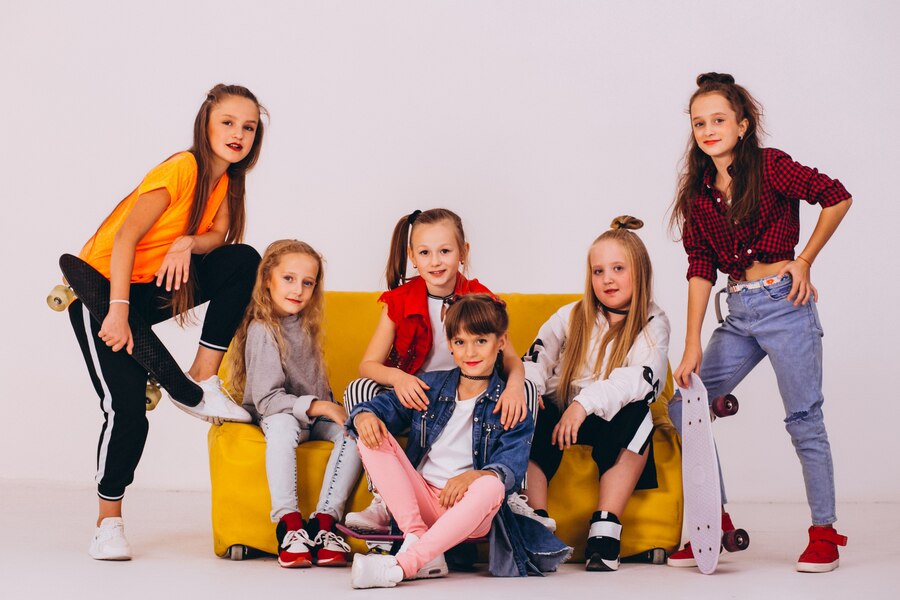
Linen-Rayon & Cotton-Viscose Blended Dresses
Designed for premium European and US resort wear fashion labels. These garments combine the cool, crisp aesthetics of natural linen with the fluid drape and soft hand-feel of high-grade viscose. Features custom yarn-dyed stripes, botanical prints, and reinforced seam construction.
- Fabric Blend: 55% Linen / 45% Viscose
- Weight (GSM): 140 - 180 GSM
- Dye Type: Reactive Union Dyeing
- MOQ: 300 Pcs / Style
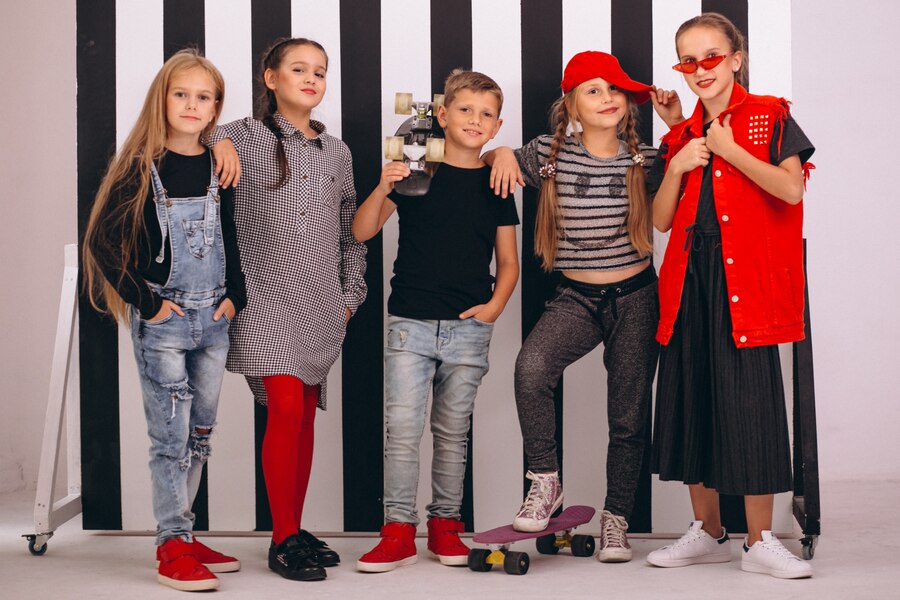
Poly-Cotton Tailored Workwear & Casual Shirts
Built for high wearability and minimal ironing maintenance. Our 65/35 poly-cotton woven shirts deliver superior tear strength, fade resistance under commercial washing, and crisp collar retention. Ideal for volume retail brands and corporate uniform contracts.
- Fabric Blend: 65% Polyester / 35% Cotton
- Weave Structure: Poplin / Twill / Oxford
- Shrinkage Control: Sanforized < 1.5%
- MOQ: 500 Pcs / Colorway
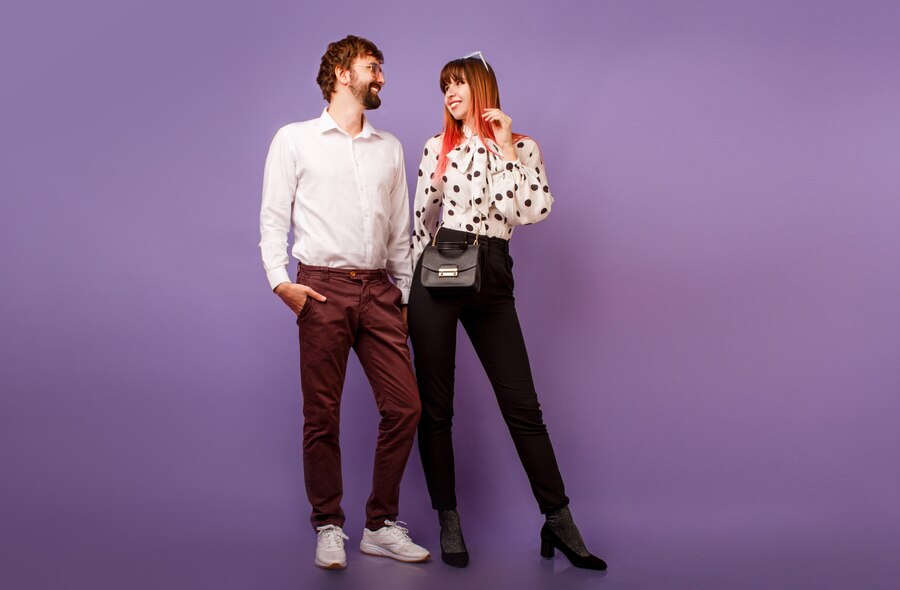
Cotton-Elastane Stretch Knitted Hoodies & Joggers
Premium heavyweight French terry and interlock knitted apparel engineered with 5-8% elastane for maximum elastic recovery. Soft brushed fleece interior for heat retention paired with anti-pilling outer facing for modern athleisure aesthetics.
- Fabric Blend: 92% Combed Cotton / 8% Spandex
- Knit Construction: 3-Thread Fleece / Interlock
- Weight (GSM): 280 - 360 GSM
- MOQ: 300 Pcs / Style
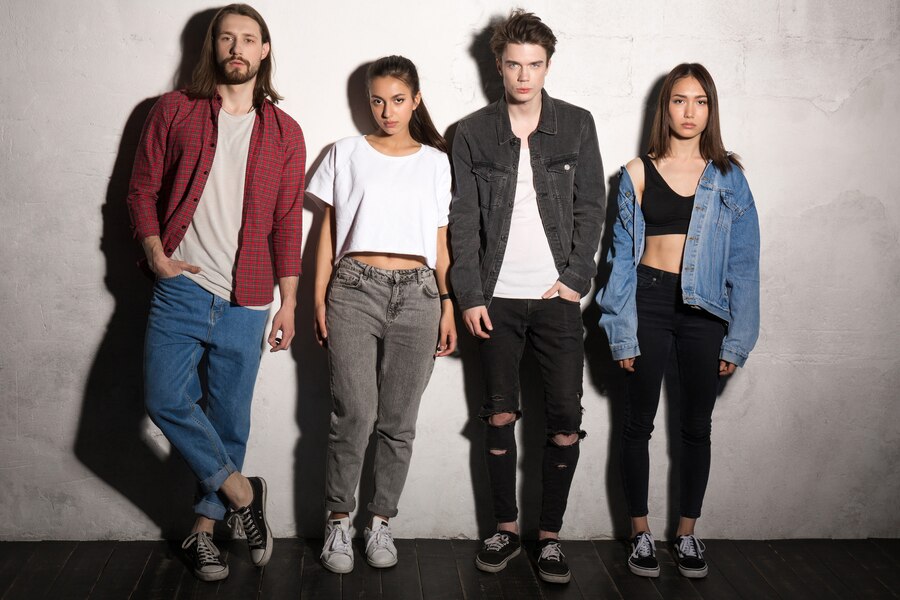
GRS Recycled Poly-Organic Cotton Eco Tops
Manufactured using Global Recycled Standard (GRS) certified post-consumer rPET polyester blended with GOTS-certified organic cotton. High color fastness to light and washing, meeting modern EU circular textile mandates.
- Fabric Blend: 60% rPET / 40% Organic Cotton
- Certification: GRS & GOTS Compliant
- Dyeing: Eco-Low Liquor Dyeing
- MOQ: 500 Pcs / Style

Hypoallergenic Modal-Cotton Children Garments
Ultra-soft modal-cotton jersey apparel designed specifically for sensitive skin. Free from harsh chemicals, heavy metals, or hazardous azo dyes. Excellent dimensional stability that withstands repetitive high-temperature laundering.
- Fabric Blend: 50% Micro-Modal / 50% Cotton
- Safety Standard: OEKO-TEX Standard 100
- Finish: Enzyme Bio-Wash
- MOQ: 500 Pcs / Style
Poly-Viscose Formal Trousers & Blazers
Engineered poly-viscose gabardine suiting with crisp crease retention and wrinkle-free recovery. Precision-cut and tailored using automated CNC cutting machines for uniform fitting across large bulk batches.
- Fabric Blend: 65% Poly / 35% Viscose
- Weave Structure: Gabardine / Twill
- Pilling Grade: ISO 12945-2 Grade 4.5
- MOQ: 300 Pcs / Style
Future Procurement Trends: Navigating the Blended Fabric Landscape (2025–2030)
As global fashion brands adapt to shifting consumer demands, heightened environmental regulations, and volatile supply chain dynamics, the market for blended fabric clothing is undergoing rapid transformation. Procurement teams can no longer evaluate garments based solely on initial FOB pricing; they must assess chemical recyclability, supply chain transparency, and advanced dyeing efficiency.
1. Circular Blends & Mono-Material Recyclability
Historically, blended fabrics posed significant recycling challenges because separating polyester from cotton required intensive chemical hydrolysis. However, the industry is shifting toward bio-based synthetic substitutes (such as PLA and bio-polyester) and specialized enzyme-dissolvable yarns. Concurrently, EU Extended Producer Responsibility (EPR) regulations are incentivizing brands to order garments engineered with high ratios of post-industrial or post-consumer recycled fiber (GRS rPET + Organic Cotton blends). Jaydee Exports actively integrates traceable recycled polymers into bulk production runs to keep our retail partners compliant with modern EU eco-design standards.
2. One-Bath Disperse/Reactive Dyeing Innovations
Traditional cross-dyeing of polyester-cotton blends required a prolonged two-bath process—dyeing polyester at high heat (130°C) with disperse dyes, followed by a separate reactive dye bath for cotton. Modern textile mills are deploying next-generation micro-emulsion dyes and low-temperature carrier technologies that enable single-bath union dyeing. This innovation slashes water consumption by up to 40% and reduces thermal energy expenditure by 35%, allowing global buyers to meet strict corporate ESG benchmarks without compromising shade fastness or shade consistency across dye lots.
3. Smart Moisture & Micro-Climate Control
Consumer expectations for everyday clothing now demand activewear performance in urban wardrobe staples. By blending hydrophobic synthetic filaments (which channel sweat away from the body) with hydrophilic natural cellulose fibers (which absorb and dissipate heat), modern blended garments achieve dynamic micro-climate regulation. Jaydee Exports utilizes advanced core-spun yarns (polyester core wrapped in long-staple cotton) to deliver high-performance moisture transport paired with 100% natural skin contact.
4. Digital Product Passports & Supply Chain Traceability
Global regulatory bodies, including the US CBP (UFLPA enforcement) and the EU Parliament, require granular traceability down to yarn spinning and raw fiber origin. Sourcing blended fabric apparel from unverified suppliers introduces immense legal and customs risks. Jaydee Exports maintains full supply chain documentation, from certified cotton ginners and certified polyester suppliers through to our Sedex-audited cutting and sewing facility in Azadpur Industrial Area, Delhi. Every bulk shipment is backed by verified mill test reports and certificate of origin documents.
Why Global Brands Trust Jaydee Exports for Blended Garment Sourcing
With over 60 years of continuous manufacturing legacy since 1962, Jaydee Exports combines heritage textile craftsmanship with modern automated infrastructure.
Vertically Integrated Manufacturing Facility
Located in A-35, GT Karnal Road Industrial Area, Azadpur, Delhi, our facility houses pattern grading, CAD marker plotting, automated cutting, contract sewing, and multi-tier quality control under one roof.
Rigorous AQL 2.5 Quality Inspection
Every bulk lot undergoes multi-stage inspections: raw fabric shade grouping (55-point 4-point system), inline sewing audits, spectrophotometer color matching (Delta E < 0.8), and final packaging checks.
Ethical Compliance & Sedex SMETA Audited
Fully compliant with global labor standards, fair wages, workplace safety, and zero child labor policies. Sedex SMETA audited and proud participant in the Apparel Export Promotion Council (AEPC) & Make in India initiative.
Frequently Asked Questions (FAQ) on Blended Fabric Clothing Sourcing
In-depth technical and operational answers to address common procurement, engineering, and logistics inquiries raised by international apparel buyers.
Poly-cotton and multi-fiber blends consist of fibers with distinct chemical structures and dye affinities. Polyester requires hydrophobic disperse dyes at elevated temperatures (130°C), while natural cotton requires hydrophilic reactive dyes at 60°C–80°C. To ensure consistent shade matching, Jaydee Exports employs computerized Datacolor Spectrophotometers (d/8 geometry) to establish tight spectral tolerances (Delta E < 0.8 against buyer master lab dips). We execute high-pressure two-bath or optimized one-bath union dyeing protocols with continuous lab-dip verification to eliminate batch-to-batch or piece-to-piece shade differential across bulk shipments.
Our standard Minimum Order Quantity (MOQ) for custom-dyed woven or knitted blended fabric garments is typically 300 to 500 pieces per style/colorway, depending on yarn availability and fabric construction (GSM and width). For stock-service blended fabrics or ongoing private label collections, we offer flexible MOQ structures to support growing fashion brands. Contact our sales team with your tech pack specs for a customized quotation.
100% cotton garments typically exhibit high dimensional shrinkage (4% to 8% after home laundering) and moderate tensile strength. Incorporating polyester (such as a 65/35 or 50/50 poly-cotton blend) dramatically enhances dimensional stability, restricting fabric shrinkage to under 1.5% to 2%. Additionally, poly-cotton blends demonstrate more than double the Martindale abrasion resistance and tear strength of pure cotton, making them the preferred choice for durable workwear, corporate uniforms, and daily casualwear.
Yes. Jaydee Exports produces eco-friendly blended fabric garments using Global Recycled Standard (GRS) certified recycled polyester (rPET) derived from post-consumer plastic bottles, blended with GOTS-certified organic cotton, Tencel™, or Lenzing™ Modal. We supply full transaction certificates (TC) and chain-of-custody documentation for every eco-blend production batch to support your brand's sustainability claims and ESG marketing compliance.
We execute strict AQL 2.5 (Acceptable Quality Limit) standards for major defects and AQL 4.0 for minor defects. Our Quality Assurance (QA) framework spans 4 primary checkpoints: 1) Raw Fabric Inspection using 4-Point System; 2) Pre-Production Sample (PPS) sign-off including pattern grading and seam stress test; 3) In-Line Sewing Audits (checking SPI stitch density, tension, and needle hole integrity); and 4) Final Random Inspection (FRI) covering garment dimensions, finishing, pressing, barcode labeling, and carton pack accuracy.
Proto sample development and lab-dip shade approval take approximately 7 to 10 working days upon receiving your tech pack and specs. Once the Pre-Production Sample (PPS) is approved and fabric mills dispatch bulk yardage, full-scale garment manufacturing requires 4 to 6 weeks, depending on order volume and embellishment complexity (embroidery, screen printing, or specialized washing). Air freight or sea freight dispatch from Delhi (ICD Tughlakabad / Nhava Sheva Port) is coordinated seamlessly by our logistics desk.
India possesses a vertically integrated textile eco-system—from abundant raw cotton production and advanced synthetic yarn manufacturing mills to skilled garment tailoring hubs like Delhi-NCR. Sourcing from Jaydee Exports provides global buyers with competitive labor pricing, extensive design versatility, lower trade barrier risks, and robust ethical compliance via Sedex certification. Furthermore, duty benefits under specific bilateral trade agreements make Indian garment exports highly cost-effective for European, UK, Middle Eastern, and American buyers.
Have a custom fabric blend requirement or specific tech pack to review?
Send an InquiryGlobal Certifications & Manufacturing Credentials
Sedex SMETA Audited Facility

Jaydee Exports undergoes independent 4-Pillar SMETA audits covering labor standards, health & safety, environmental management, and business ethics—giving global brand managers complete supply chain confidence.
View Sedex Audit ReportExport Council & Government Affiliations

An active member of the Apparel Export Promotion Council (AEPC) of India and a contributor to national textile export initiatives, adhering to strict international trade compliance.